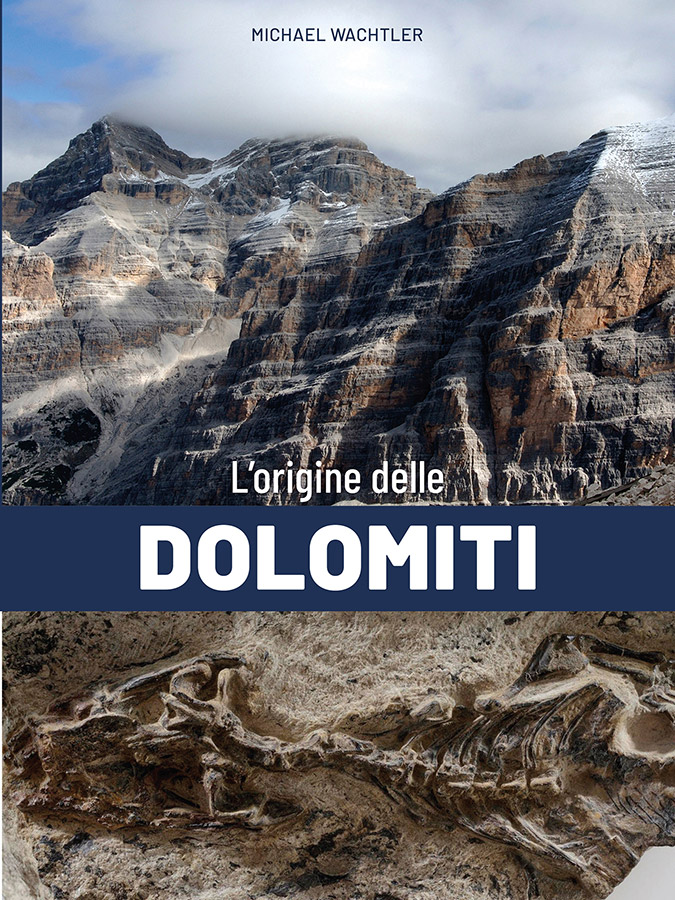
Michael Wachtler
L’Origine delle Dolomiti
Ed. DoloMythos - San Candido
www.dolomythos.com
Euro 34,90


A Time of Change
The Lochbrunnen site near Oberhof in Thuringia is regarded as one of the classic locations for fossil plant research. It represents a boundary between the gymnosperm communities (conifers, cycads) that suddenly emerged during the Upper Carboniferous-Lower Permian transition, subsequently spreading worldwide, and the gradual decline of the previously dominant giant clubmoss and horsetail communities. Despite extensive research, uncertainties persist regarding this early Permian locality (Late Sakmarian–Early Artinskian). New excavations and numerous finds are being utilized to fill some gaps in paleobotanical knowledge. The primary focus is on exploring the development of plant life over millions of years and the conclusions that can be drawn up to the present day. Additionally, efforts have been made to limit the proliferation of names from earlier centuries and propose plausible evolutionary solutions. The Lochbrunnen locality is significant because, following a life explosion, considerable diversification occurred; however, this was largely curtailed during the Middle Permian, likely due to climate changes, with a new recovery only observed after the Permian–Triassic boundary.
With over 700 Photos and Drawings
Summary
Early Permian Plant Life
Gymnosperms from the Early Permian
Ferns, Horsetails and Clubmosses from the Early Permian
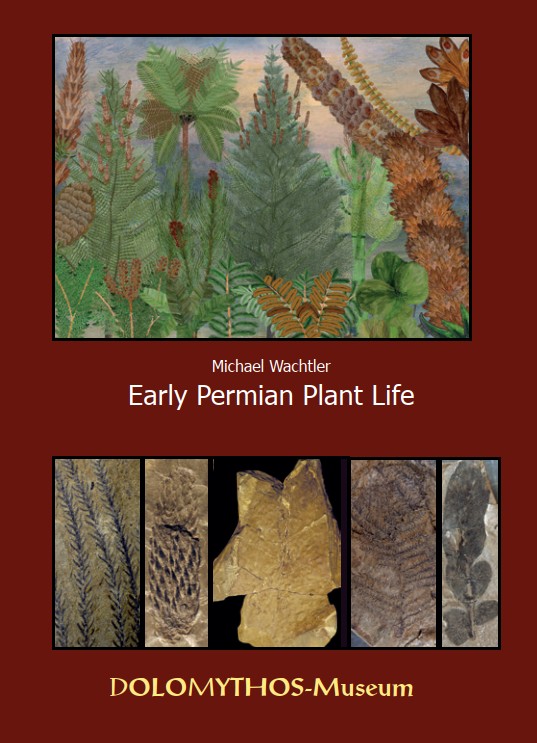
Michael Wachtler
Dolomythos-Museum, ISSN 2974-7376, 3/4, p. 108, year 2026
Euro 39,90

Interessante anche:
Michael Wachtler
Ed. DoloMythos - San Candido
www.dolomythos.com
Euro 34,90
Michael Wachtler
Ed. DoloMythos - San Candido
www.dolomythos.com
Euro 19,90
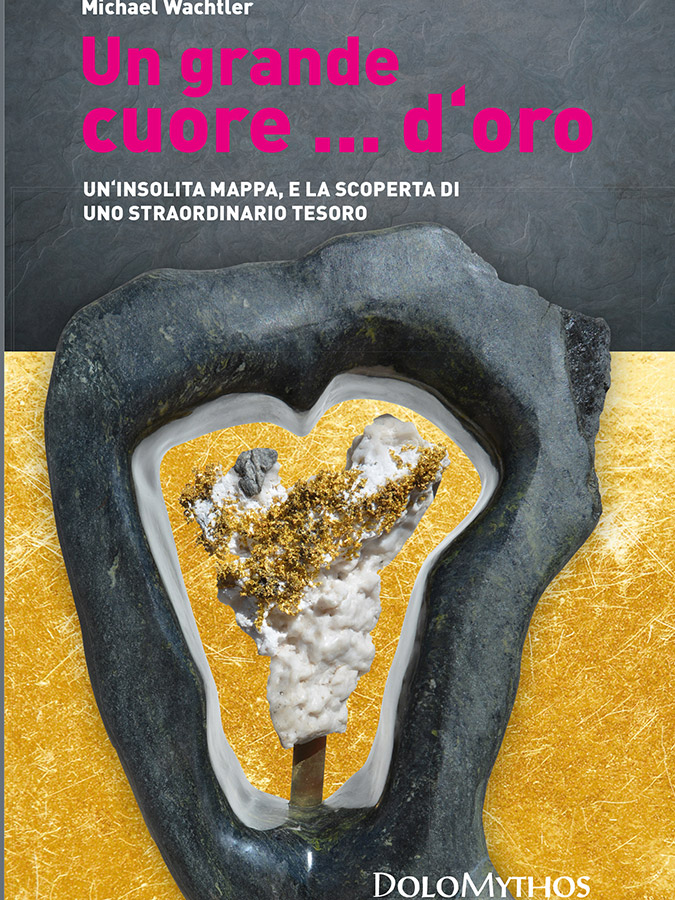
Michael Wachtler
Un’insolita mappa, e la scoperta di uno straordinario tesoro
Euro 19,90
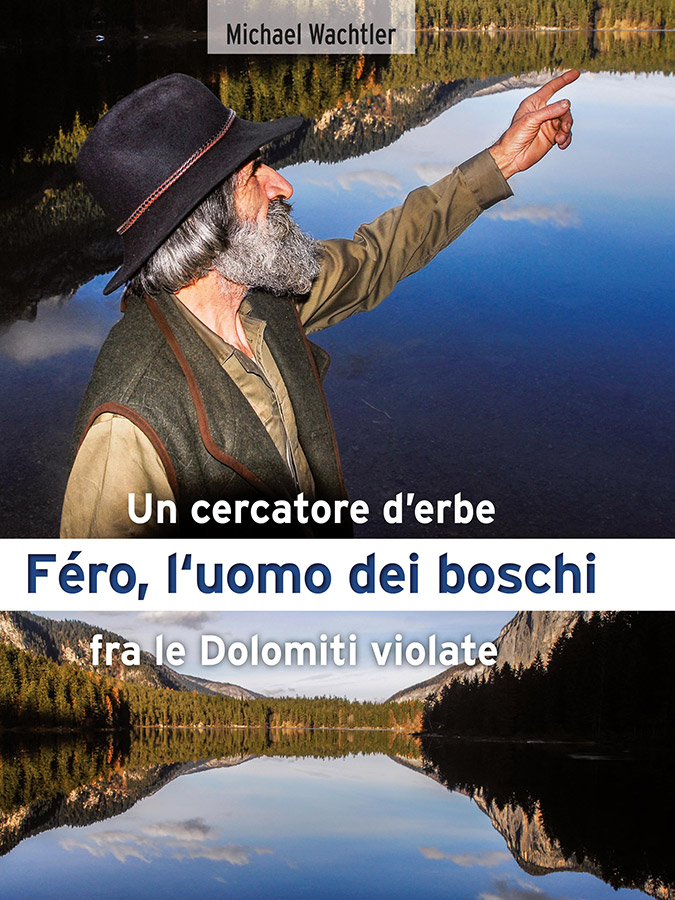
Michael Wachtler
La singolare vita di un uomo dei boschi
Euro 19,99

Michael Wachtler
Sprache: Englisch
With the moving diary “We are making peace”
Pages 192, Over 300 photos, Publisher: Athesia Spectrum.
Euro 19,90
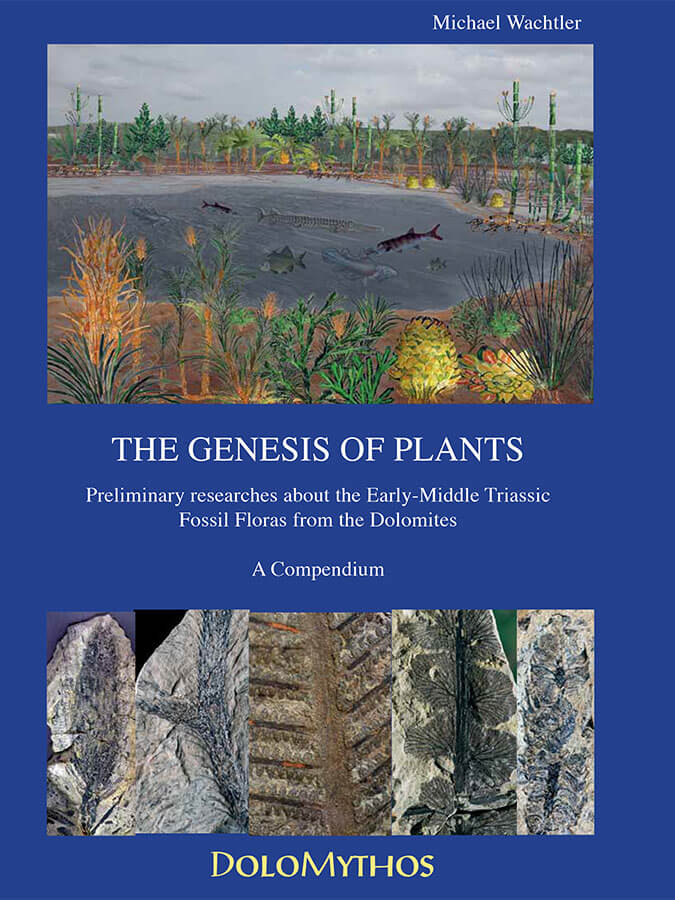
Michael Wachtler
Sprache: Englisch
Preliminary researches about the Early-Middle Triassic Fossil Floras from the Dolomites.
A Compendium 224 Pages, 200 Illustrations, Editor DoloMythos
Euro 49,90
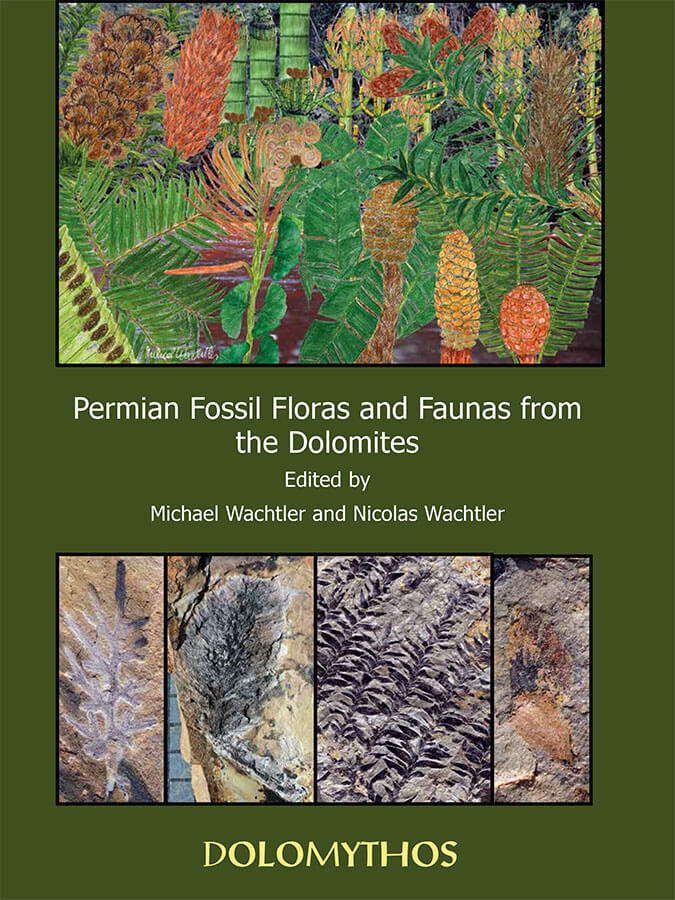
Michael Wachtler, Nicolas Wachtler
Sprache: Englisch
Permo-Triassic climate catastrophes as basis for the birth of new life forms
With over 800 photos and drawings, 240 pages, Hardcover 29,7x21 cm
Euro 98,00
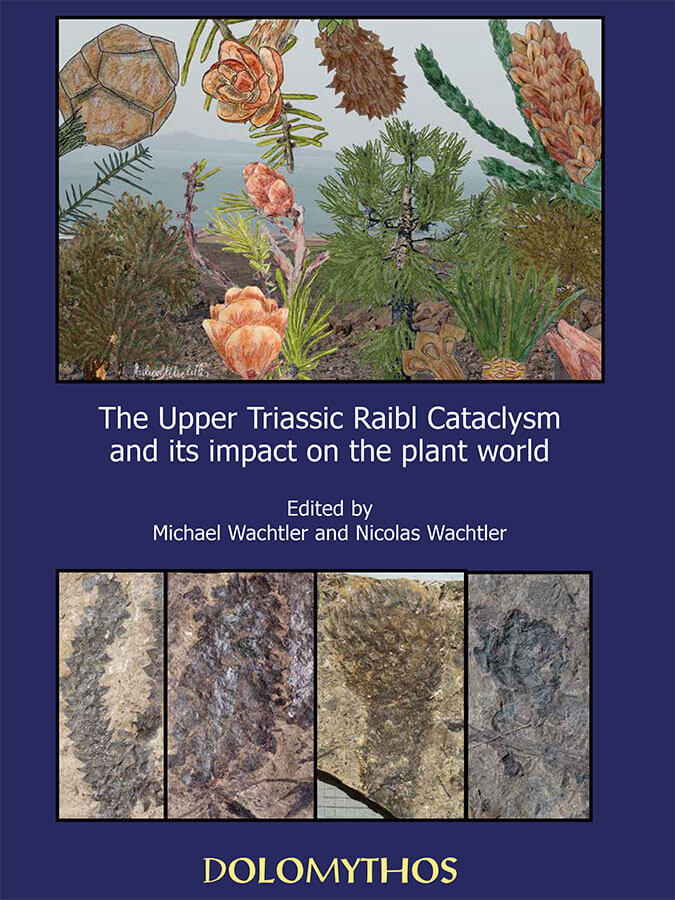
Thomas Perner – Michael Wachtler
Sprache: Englisch
With over 300 photos and drawings
86 pages, Softcover 29,7x21 cm
Euro 49,00
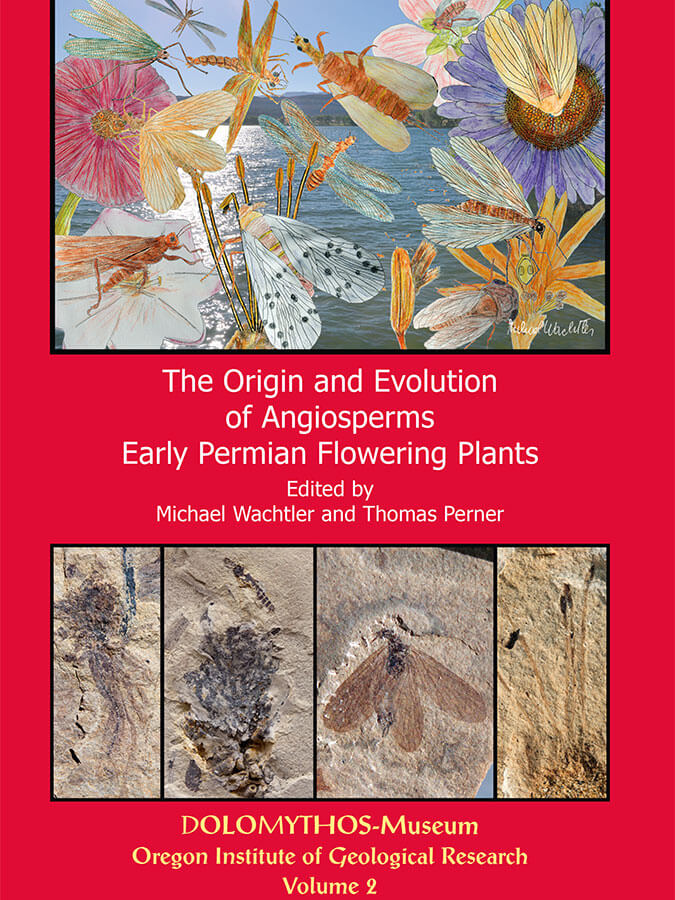
Michael Wachtler, Thomas Perner
Sprache: Englisch
Early Permian Flowering Plants. Based on new sensational discoveries.
With over 800 photos and drawings, 240 pages, Hardcover 29,7x21 cm
Euro 98,00
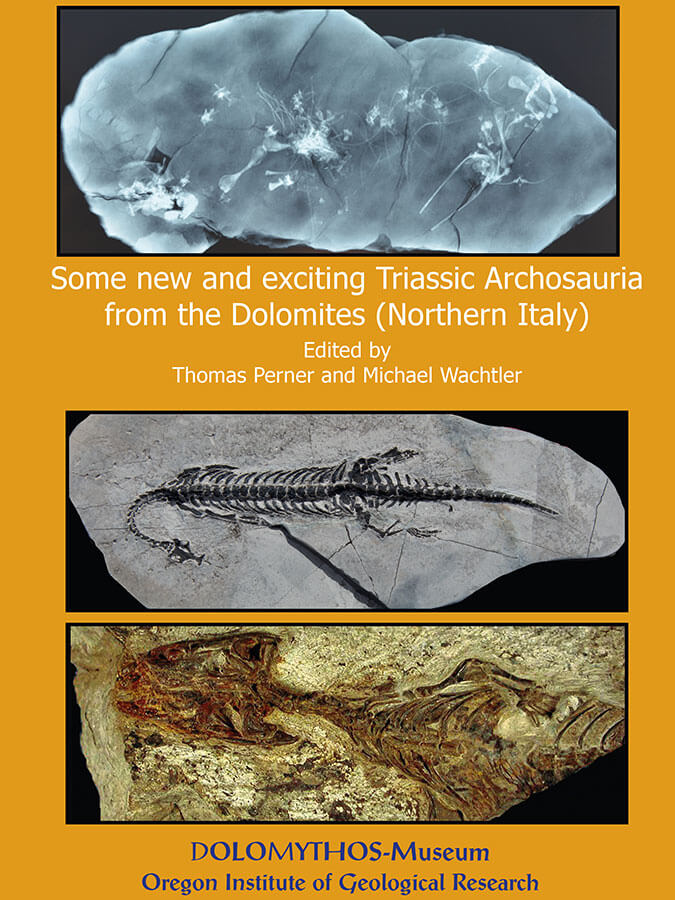
Michael Wachtler and Thomas Perner
Published by Dolomythos Museum, Innichen, South Tyrol, Italy Oregon Institute of Geological Research, Portland, OR, (USA), 2018
Euro 29,90
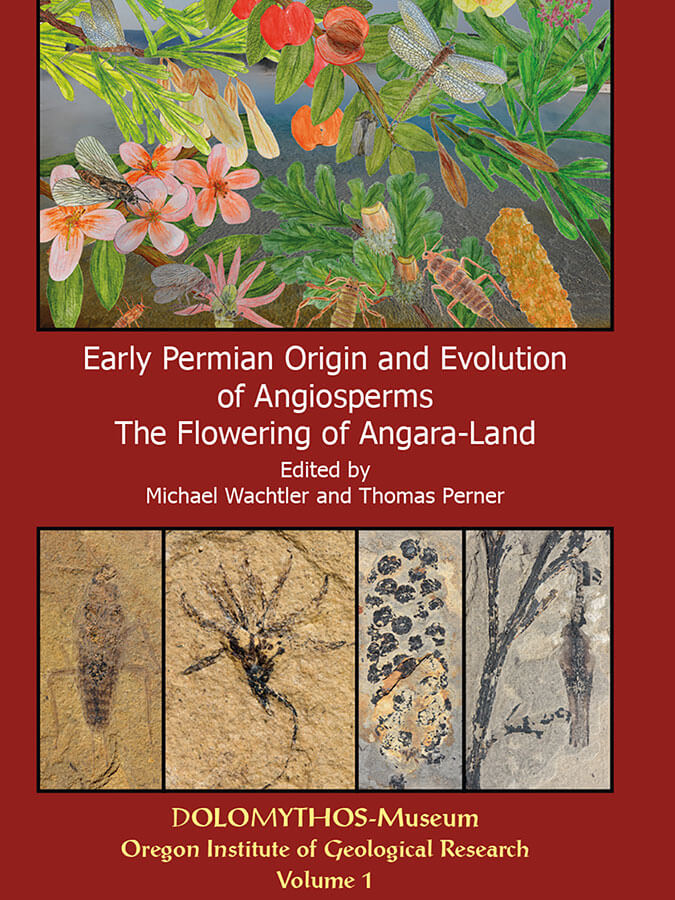
Michael Wachtler, Thomas Perner
Based on new sensational discoveries
Published by Dolomythos Museum, Innichen, South Tyrol, Italy Oregon Institute of Geological Research, Portland, OR, (USA), 2016
Euro 49,00
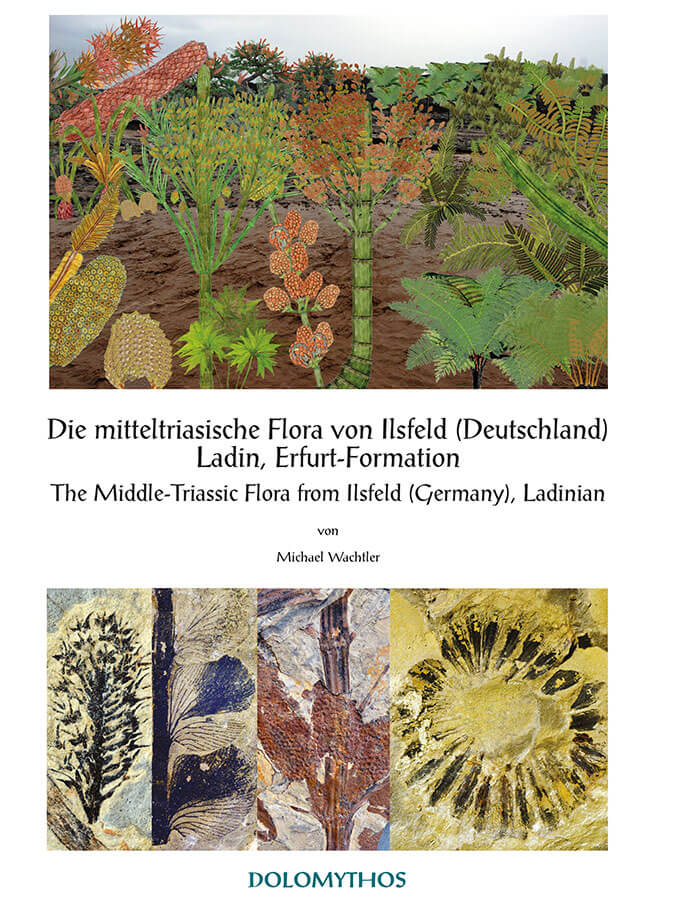
Michael Wachtler
Ladin, Erfurt-Formation
Lingua: Englisch / Deutsch
Published by Dolomythos Museum, Innichen, South Tyrol, Italy, 2016,
Euro 39,00
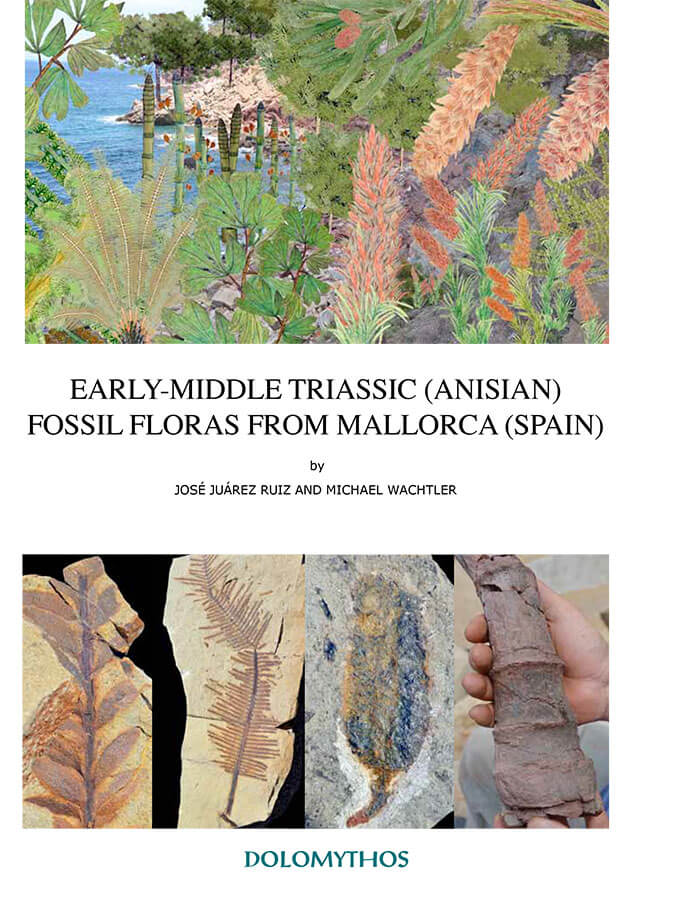
Thomas Perner – Michael Wachtler
Published by Dolomythos Museum, Innichen, South Tyrol, Italy, 2015
Euro 29,00
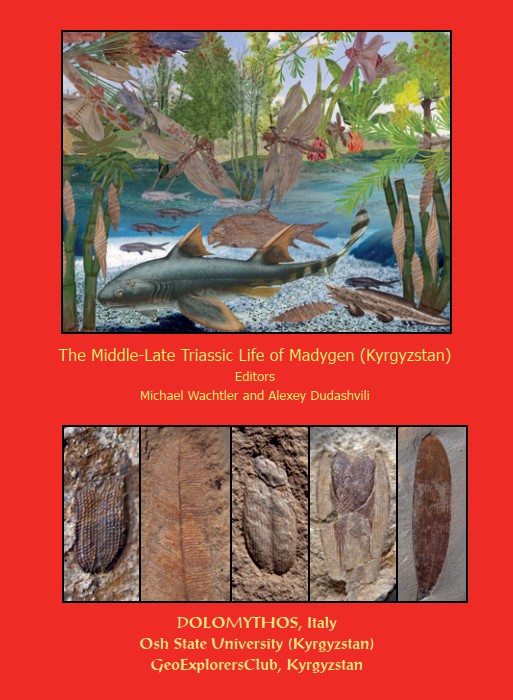
Michael Wachtler and Alexey Dudashvili
Dolomythos-Museum, ISSN 2974-7376, 3/2, p. 34, year 2024
Euro 39,00
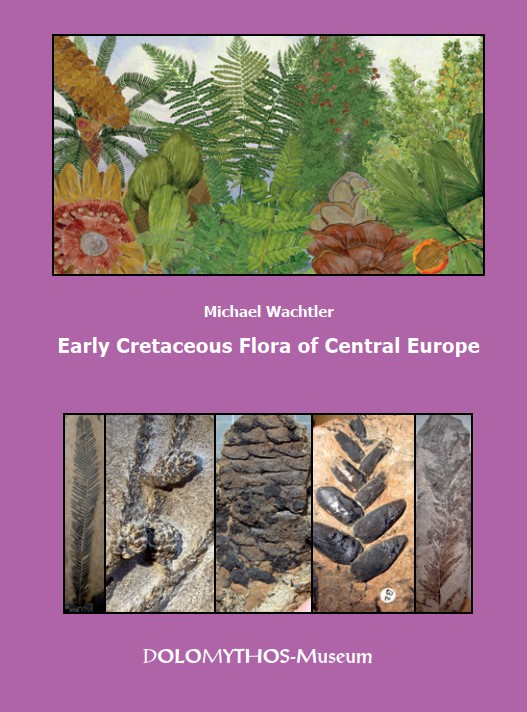
Michael Wachtler
Dolomythos-Museum, ISSN 2974-7376, 4/2, p. 80, year 2025
Euro 49,00
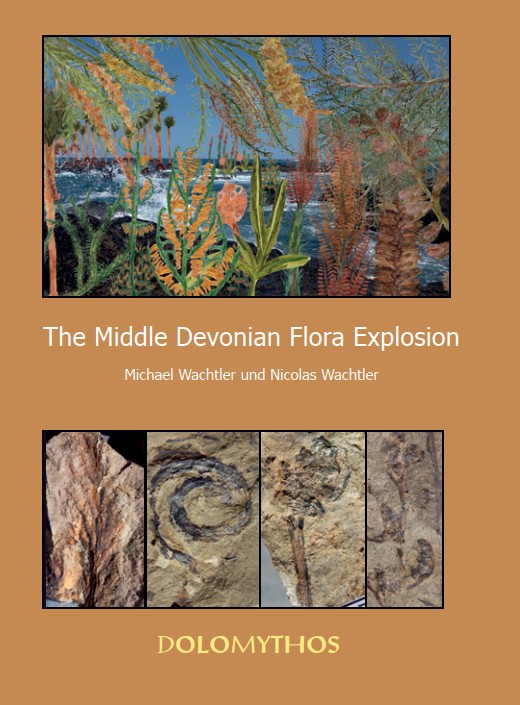
Michael Wachtler and Nicolas Wachtler
Dolomythos-Museum, ISSN 2974-7376, 1/1, p. 72, year 2023
Euro 49,00
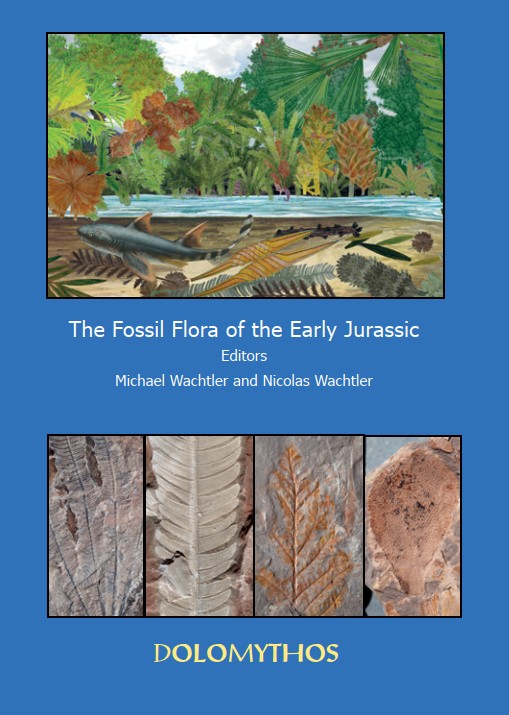
Michael Wachtler and Nicolas Wachtler
Dolomythos-Museum, ISSN 2974-7376, 2/2, p. 192, year 2024
Euro 69,00
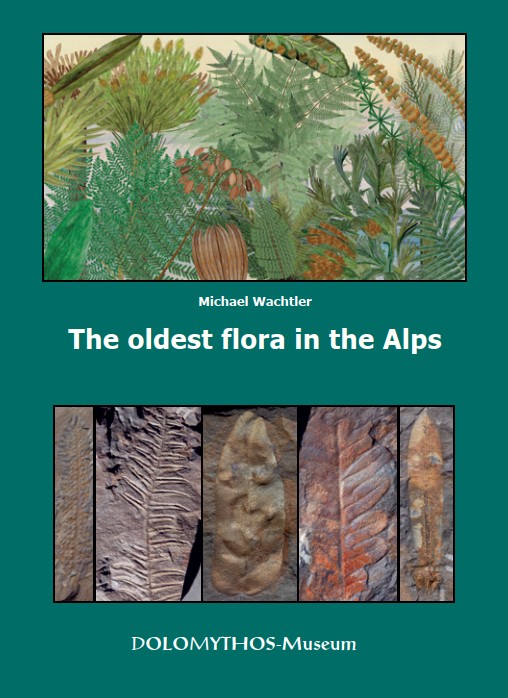
Michael Wachtler
Dolomythos-Museum, ISSN 2974-7376, 4/3, p. 96, year 2025
Euro 49,00
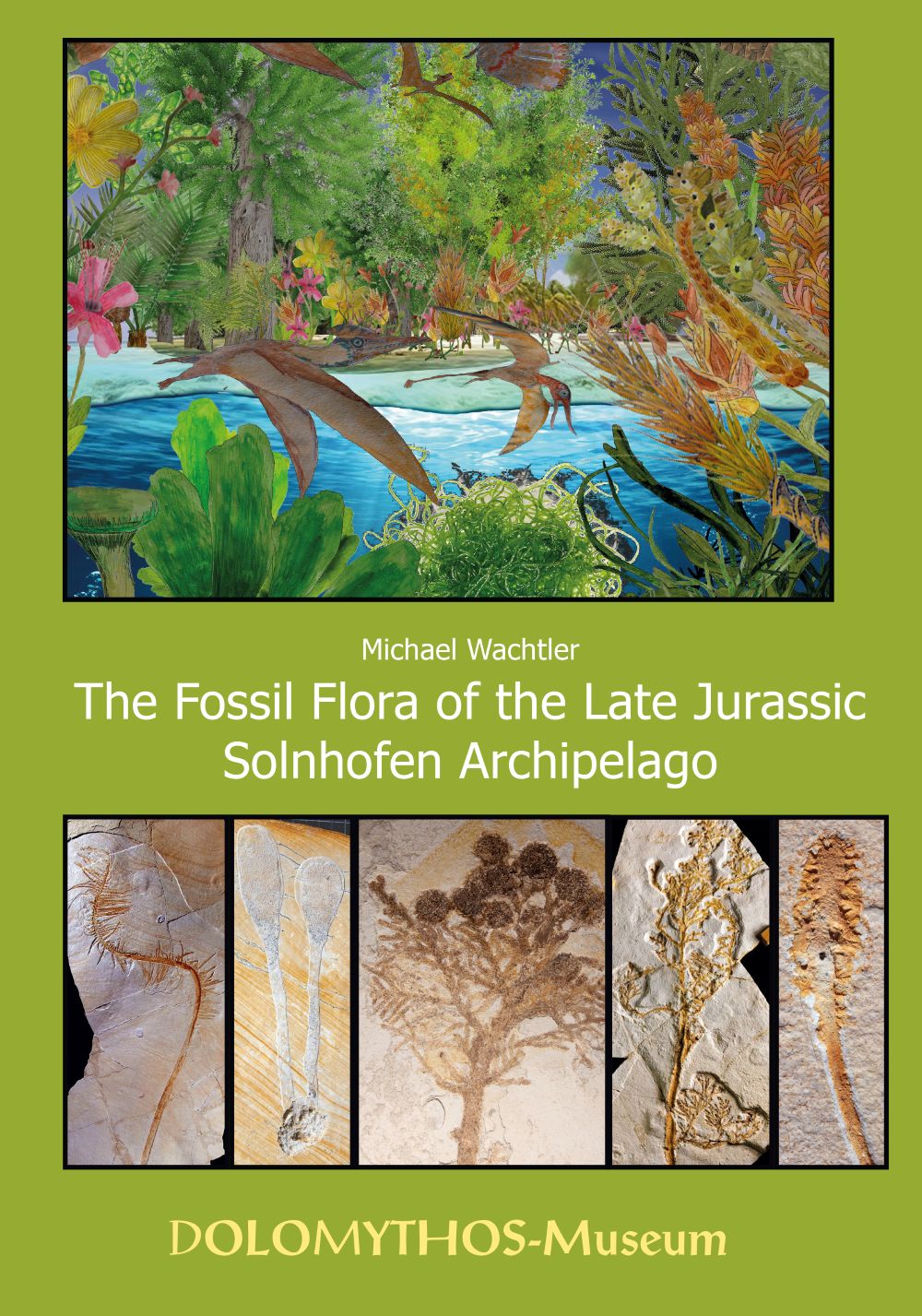
Michael Wachtler
Dolomythos-Museum, ISSN 2974-7376, 2/2, p. 106, year 2026
Euro 39,90
Michael Wachtler
Dolomythos-Museum, ISSN 2974-7376, 3/4, p. 108, year 2026
Euro 39,90
Via Peter Paul Rainer 11,
I-39038 San Candido (BZ)
michael@wachtler.com
www.michaelwachtler.com