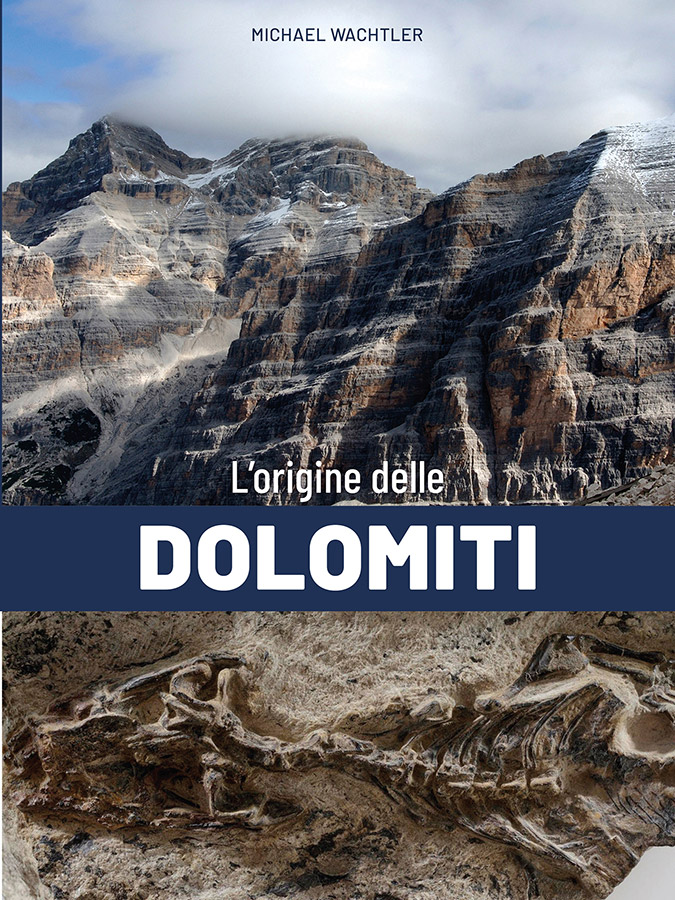
Michael Wachtler
L’Origine delle Dolomiti
Ed. DoloMythos - San Candido
www.dolomythos.com
Euro 34,90


A Peculiar Floral Transformation 150 million years ago
The classic sites of paleontological research include the Bavarian Plattenkalke (limestone slabs) of Solnhofen, Germany, deposited approximately 150 million years ago during the late Jurassic (Kimmeridgian-Tithonian) period. These sites are world-renowned for the discovery of the “primitive bird” Archaeopteryx, along with numerous other vertebrates. However, far less attention has been paid to the plant fossils preserved in these deposits. Given their importance as climate indicators and as evidence for the development of flora, this neglected area of research warrants closer examination. In addition to a large number of gymnosperms, particularly cypresses and araucarias, as well as cycads and ginkgos, there exists an interesting and well-preserved algal community and some ferns. Above all, the strange and diverse flowering plants likely mark the beginning of the worldwide spread of this now dominant plant group. It can be assumed that the massive emergence of pterosaurs and birds may have changed the flora worldwide within a short time.
With over 800 Photos and Drawings
Summary
The Fossil Flora of the Late Jurassic Solnhofen Archipelago
Algae from the Upper Jurassic of the Solnhofen Archipelago
Ferns from the Upper Jurassic of the Solnhofen Archipelago
Gymnosperms from the Upper Jurassic Solnhofen Archipelago
Flowering plants in the Upper Jurassic Solnhofen Archipelago
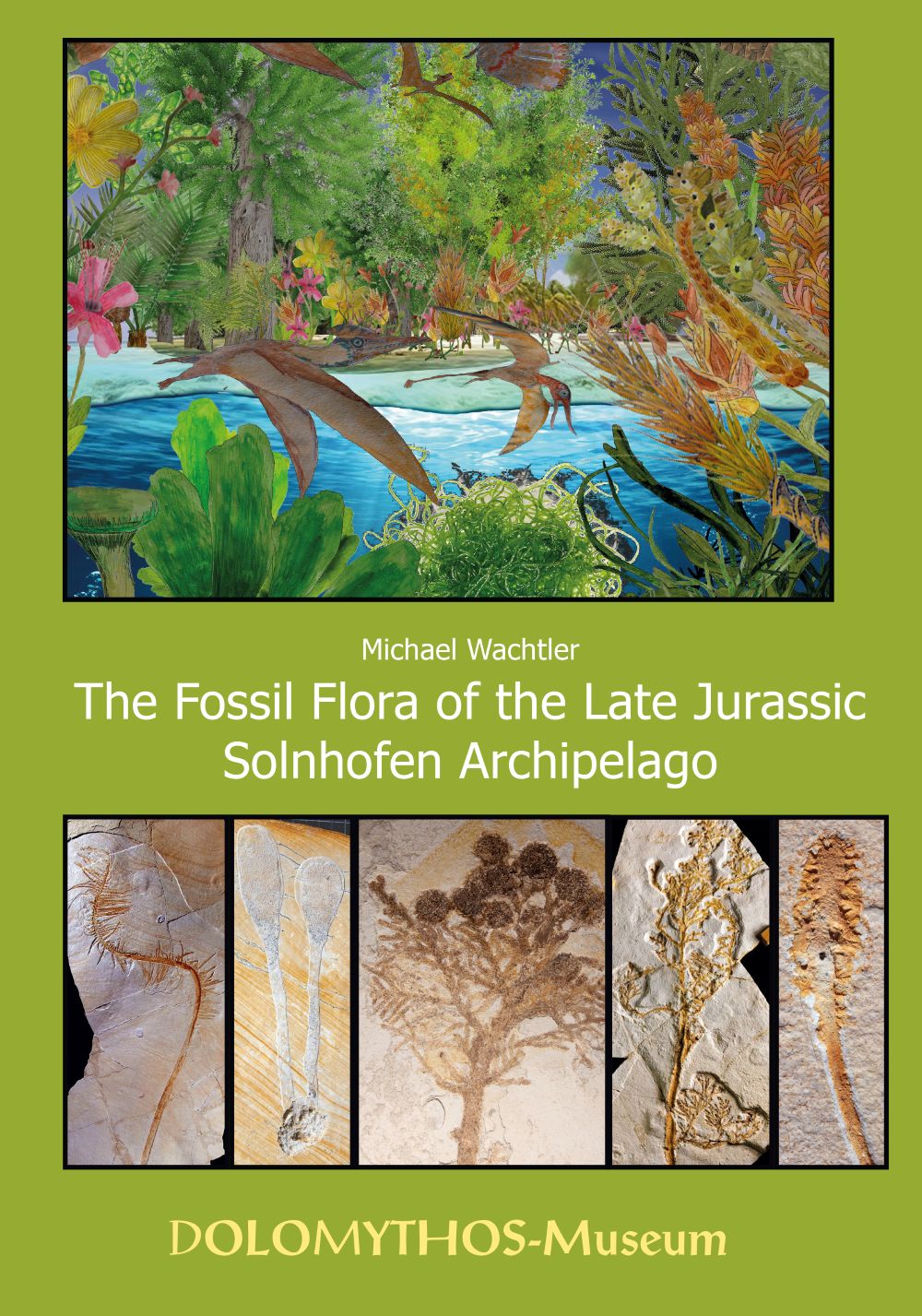
Michael Wachtler
Dolomythos-Museum, ISSN 2974-7376, 2/2, p. 106, year 2026
Euro 39,90

Interessante anche:
Michael Wachtler
Ed. DoloMythos - San Candido
www.dolomythos.com
Euro 34,90

Michael Wachtler
Ed. DoloMythos - San Candido
www.dolomythos.com
Euro 19,90
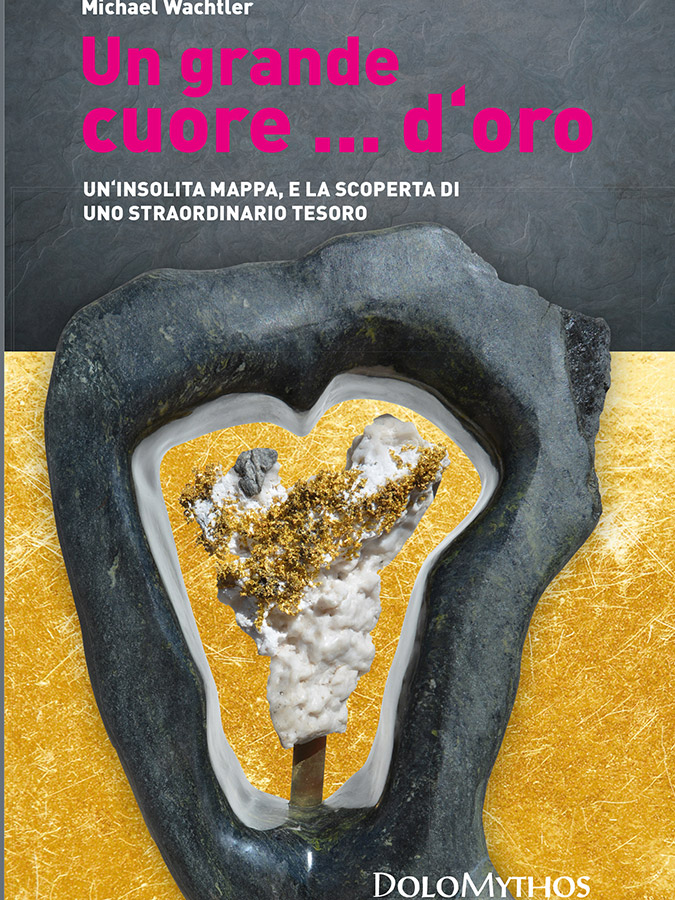
Michael Wachtler
Un’insolita mappa, e la scoperta di uno straordinario tesoro
Euro 19,90
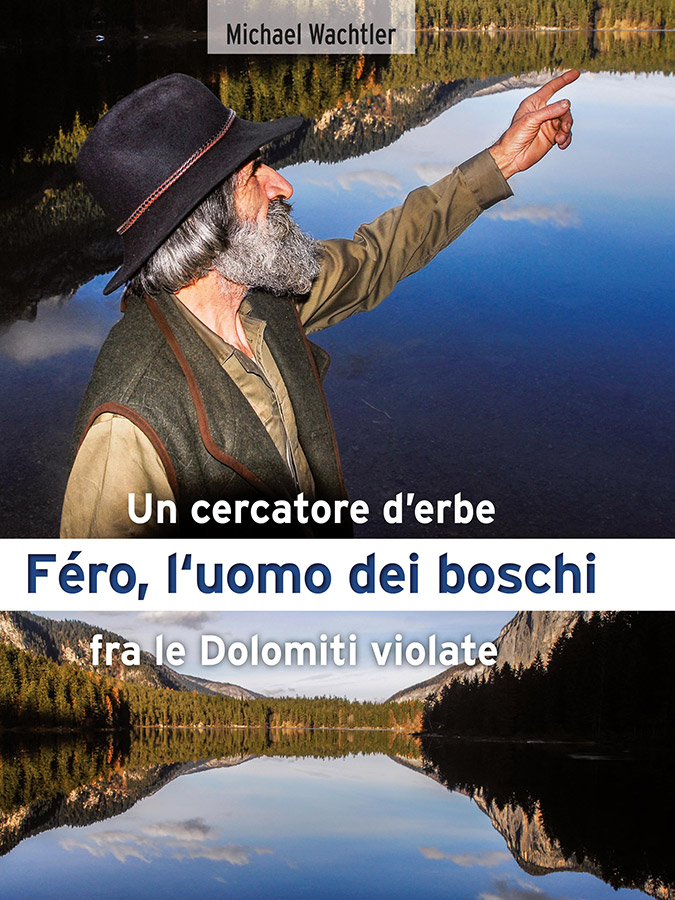
Michael Wachtler
La singolare vita di un uomo dei boschi
Euro 19,99

Michael Wachtler
Sprache: Englisch
With the moving diary “We are making peace”
Pages 192, Over 300 photos, Publisher: Athesia Spectrum.
Euro 19,90
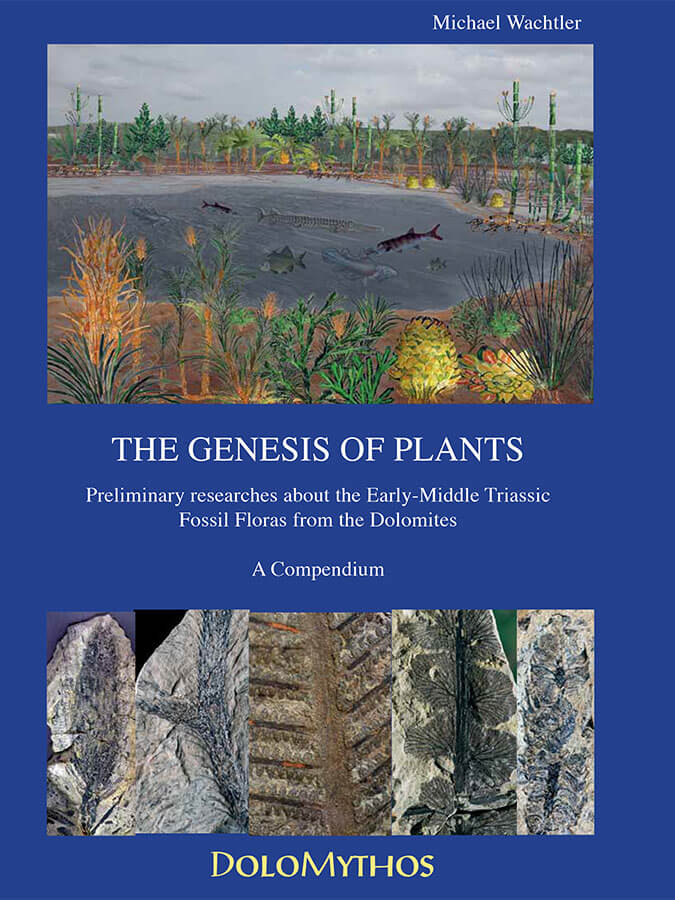
Michael Wachtler
Sprache: Englisch
Preliminary researches about the Early-Middle Triassic Fossil Floras from the Dolomites.
A Compendium 224 Pages, 200 Illustrations, Editor DoloMythos
Euro 49,90
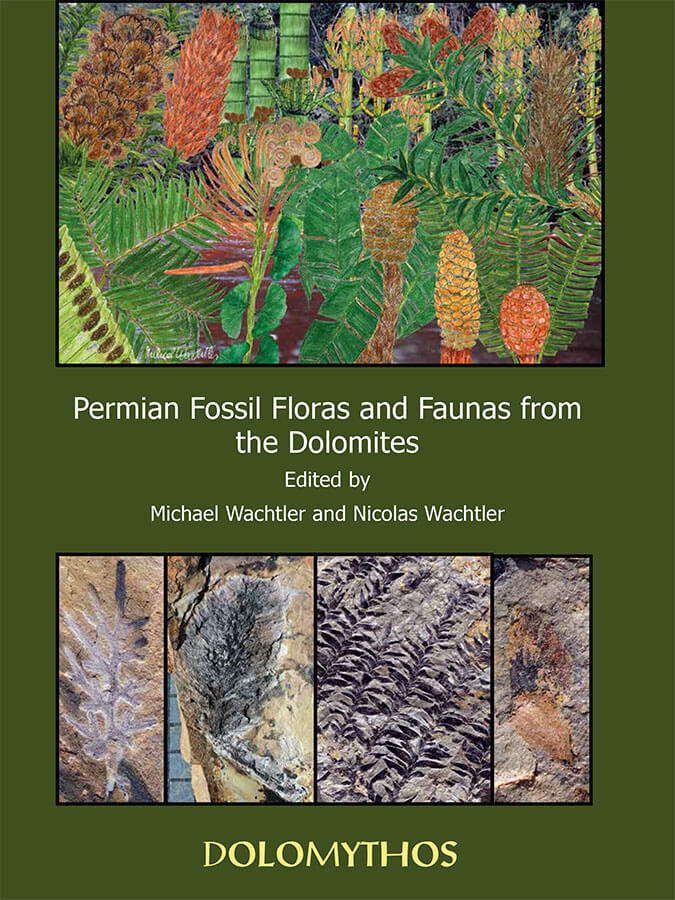
Michael Wachtler, Nicolas Wachtler
Sprache: Englisch
Permo-Triassic climate catastrophes as basis for the birth of new life forms
With over 800 photos and drawings, 240 pages, Hardcover 29,7x21 cm
Euro 98,00
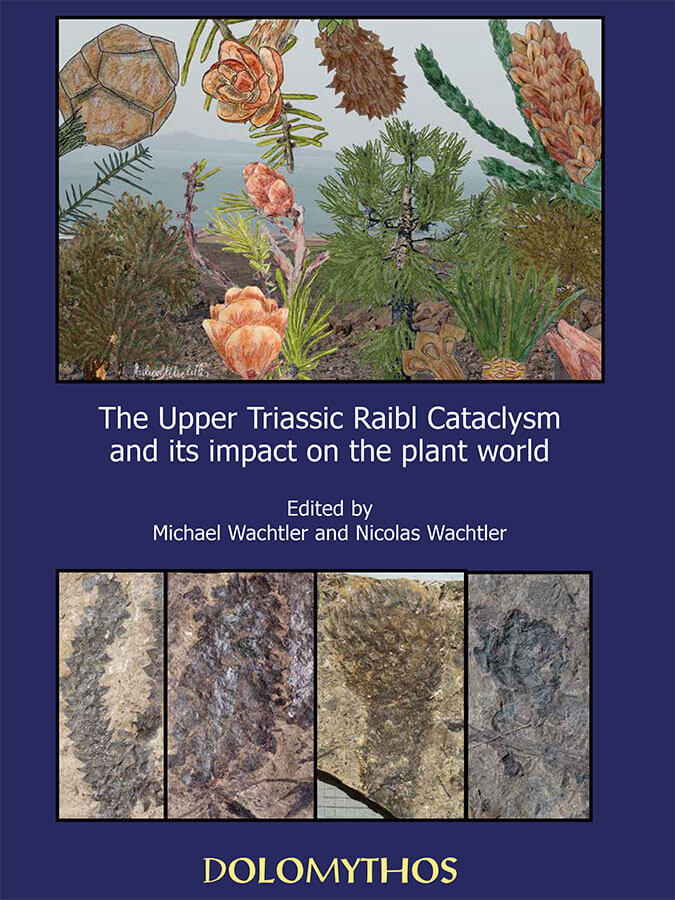
Thomas Perner – Michael Wachtler
Sprache: Englisch
With over 300 photos and drawings
86 pages, Softcover 29,7x21 cm
Euro 49,00
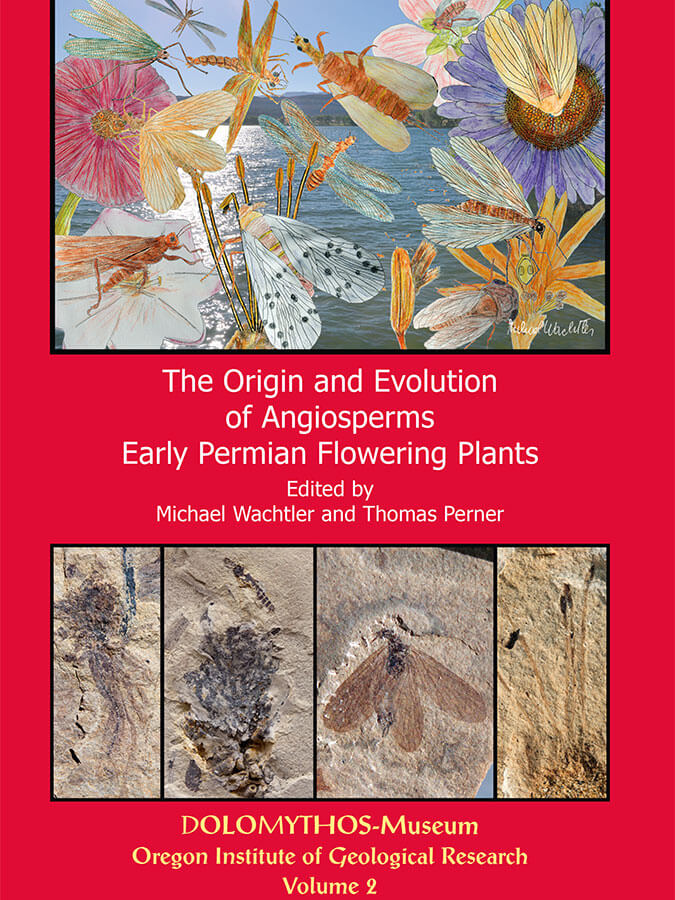
Michael Wachtler, Thomas Perner
Sprache: Englisch
Early Permian Flowering Plants. Based on new sensational discoveries.
With over 800 photos and drawings, 240 pages, Hardcover 29,7x21 cm
Euro 98,00
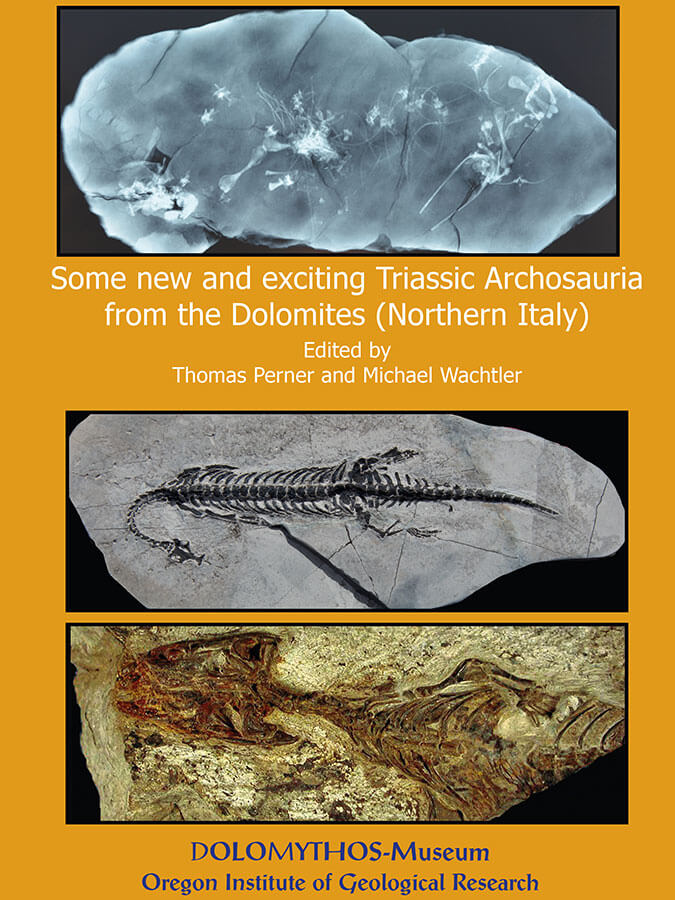
Michael Wachtler and Thomas Perner
Published by Dolomythos Museum, Innichen, South Tyrol, Italy Oregon Institute of Geological Research, Portland, OR, (USA), 2018
Euro 29,90
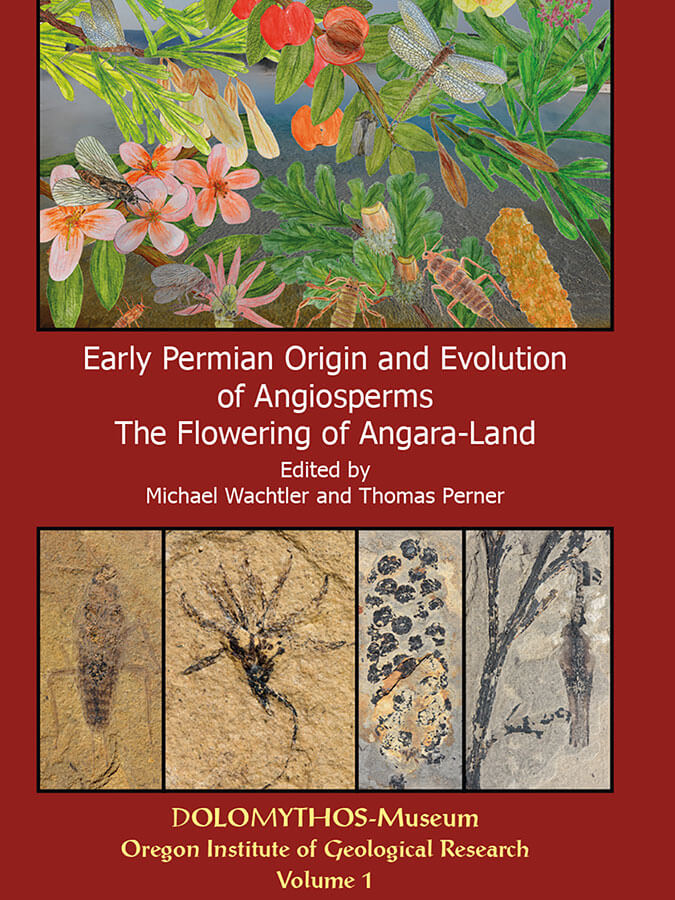
Michael Wachtler, Thomas Perner
Based on new sensational discoveries
Published by Dolomythos Museum, Innichen, South Tyrol, Italy Oregon Institute of Geological Research, Portland, OR, (USA), 2016
Euro 49,00
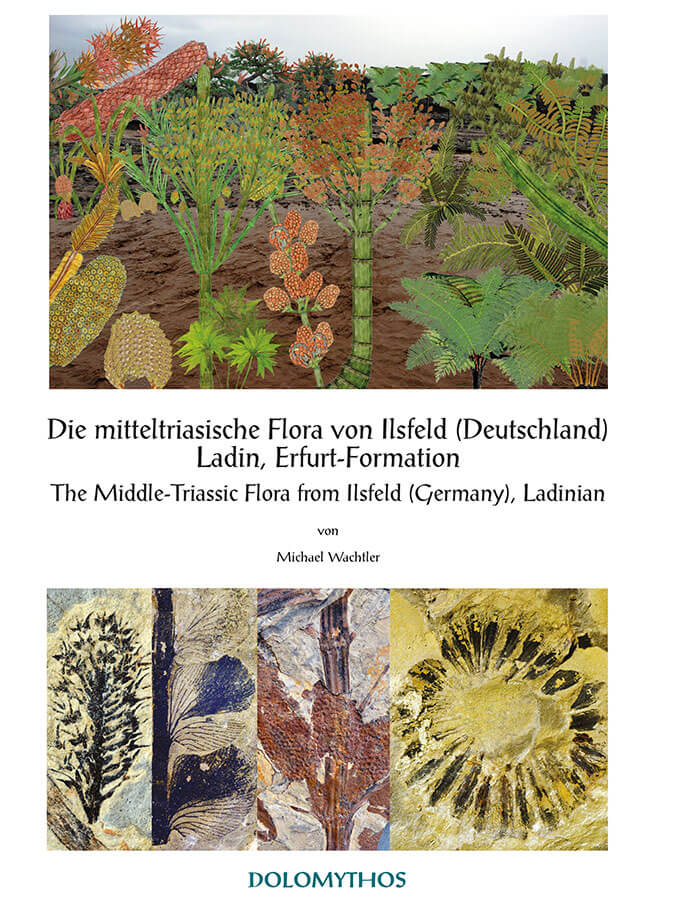
Michael Wachtler
Ladin, Erfurt-Formation
Lingua: Englisch / Deutsch
Published by Dolomythos Museum, Innichen, South Tyrol, Italy, 2016,
Euro 39,00
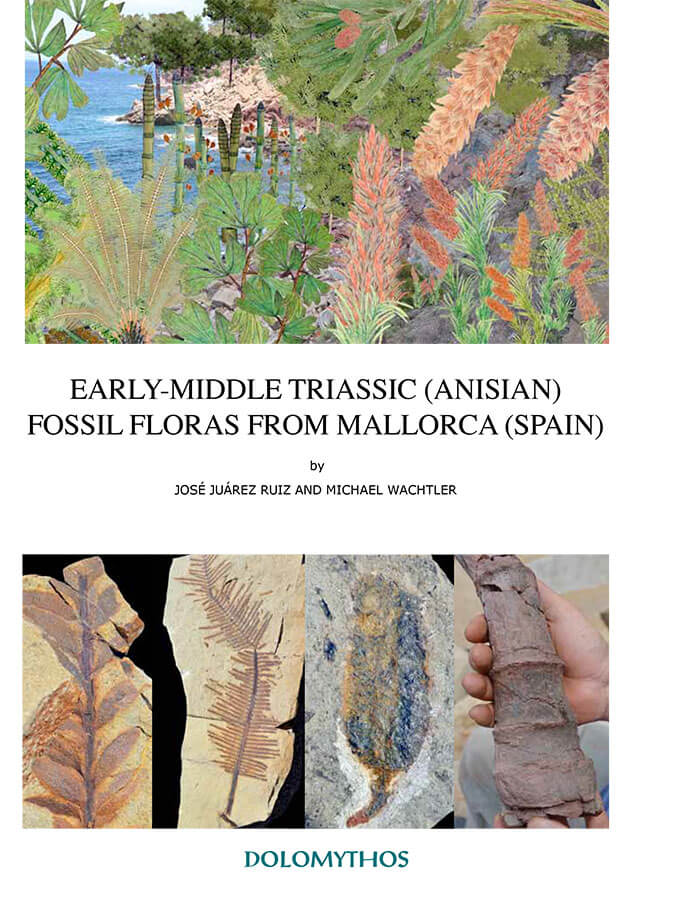
Thomas Perner – Michael Wachtler
Published by Dolomythos Museum, Innichen, South Tyrol, Italy, 2015
Euro 29,00
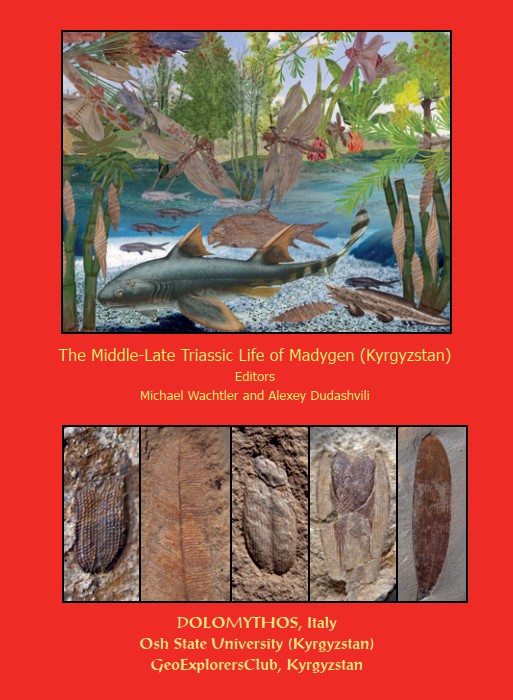
Michael Wachtler and Alexey Dudashvili
Dolomythos-Museum, ISSN 2974-7376, 3/2, p. 34, year 2024
Euro 39,00
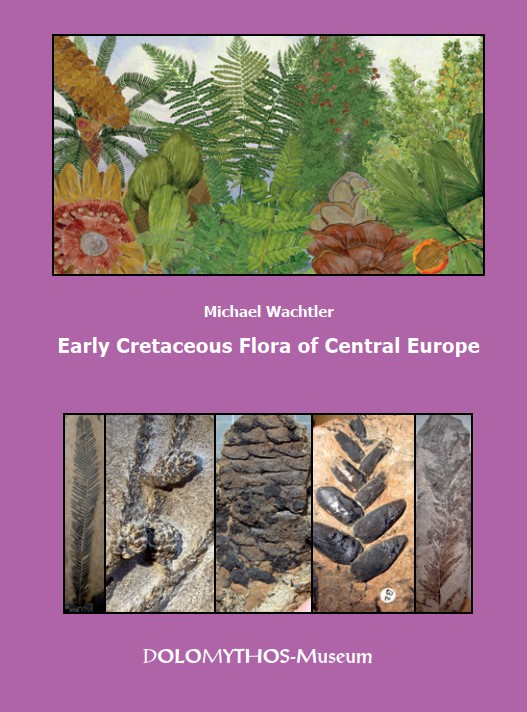
Michael Wachtler
Dolomythos-Museum, ISSN 2974-7376, 4/2, p. 80, year 2025
Euro 49,00
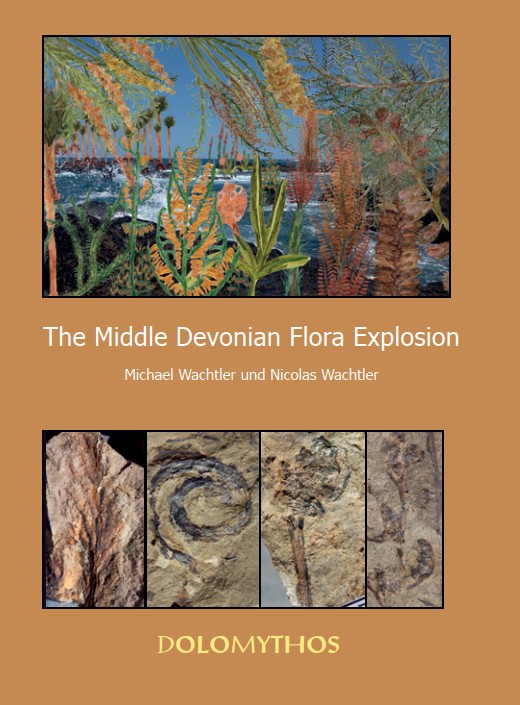
Michael Wachtler and Nicolas Wachtler
Dolomythos-Museum, ISSN 2974-7376, 1/1, p. 72, year 2023
Euro 49,00
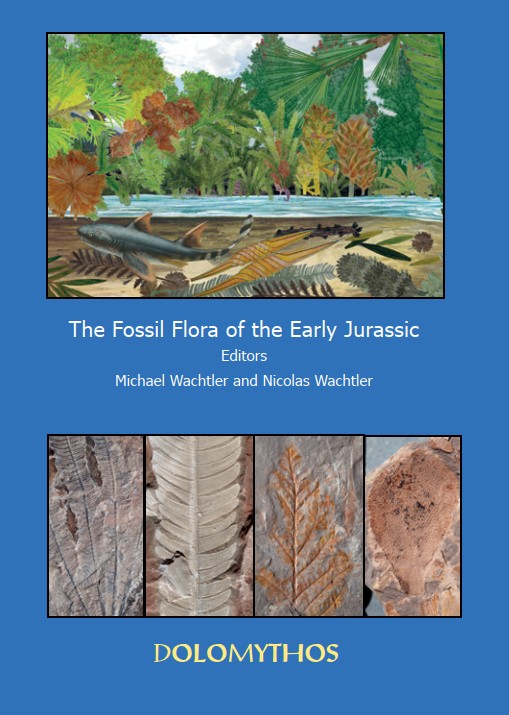
Michael Wachtler and Nicolas Wachtler
Dolomythos-Museum, ISSN 2974-7376, 2/2, p. 192, year 2024
Euro 69,00
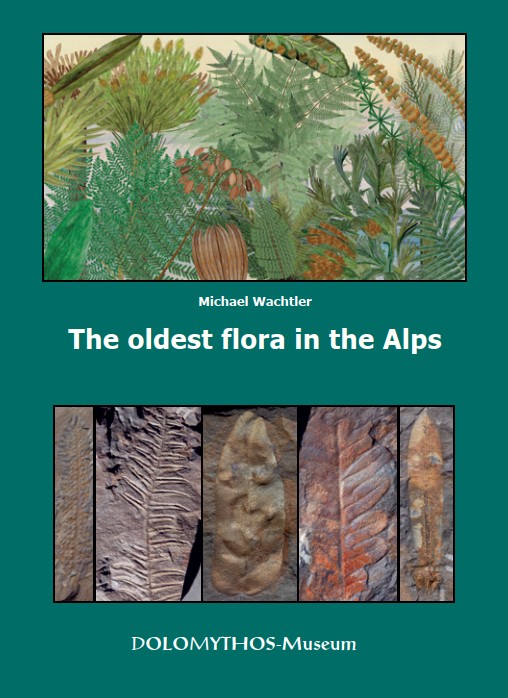
Michael Wachtler
Dolomythos-Museum, ISSN 2974-7376, 4/3, p. 96, year 2025
Euro 49,00
Michael Wachtler
Dolomythos-Museum, ISSN 2974-7376, 2/2, p. 106, year 2026
Euro 39,90
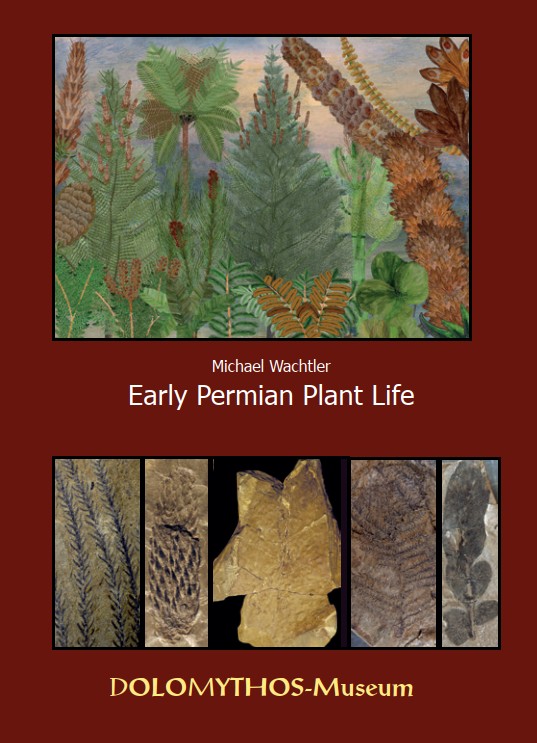
Michael Wachtler
Dolomythos-Museum, ISSN 2974-7376, 3/4, p. 108, year 2026
Euro 39,90
Via Peter Paul Rainer 11,
I-39038 San Candido (BZ)
michael@wachtler.com
www.michaelwachtler.com