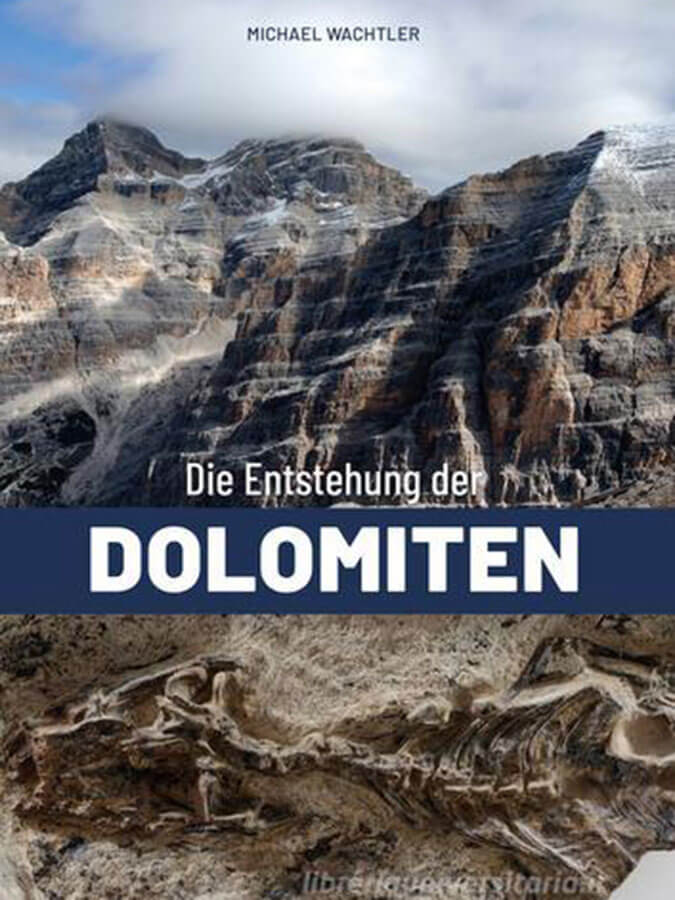
Michael Wachtler
Die Entstehung der Dolomiten
Verlag DoloMythos - Innichen
www.dolomythos.com
Euro 34,90


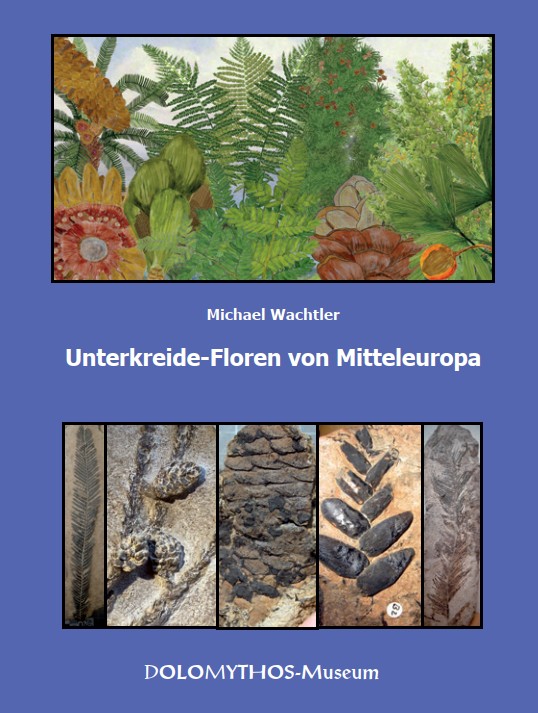
A 140 million year old living world
The sediments from the Lower Cretaceous (Berrasian), known as German Wealden, mainly from the clay pits around Duingen, have fascinated researchers since the early 19th century due to their abundance of fossils. Sparsely occurring horsetails (Equisetites sp.), and ferns (Dennstaedtites geinitzii nov. comb., as well as Wiedenrothia klipsteini, nov. gen.), but a large number of well-preserved gymnosperms such as ginkgos (Ginkgoites pluripartitus), conifers (especially Sphenolepis sternbergiana, but also Tsugites garbermannii n. sp., and Tsugites linkii nov. comb.), as well as numerous genera of cycads, formed a floral community that was relatively poor in species but abundant in quantity. The highlight is the large number of plant remains from a family, which has been classified under a variety of names, but above all as Bennettitales. Although these were sometimes associated with the beginning of the angiosperms, well-preserved new finds show that they belong to the cycads and are related to today‘s genus Dioon (Dioonites dunkerianum, Dioonites lyellanum nov. comb.). There are also Zamia cycads (Zamites aequalis, Ctenis humboldtianum, Nilssonia schaumburgense, Ceratozamites kurwius nov. gen.) and sparse ancestors of the genus Cycas (Taeniopteris beyrichii). A club moss, Seppeltia bockii gen. n. sp. stands somewhat isolated there. Although we are on the arising of flowering plants appearing a little later everywhere, there is no evidence of their appearance or at least possible lines of development in the Lower Cretaceous of Europe. Their rapid appearance must therefore have other reasons, as happened at the Carboniferous-Permian boundary with the equally sudden spread of gymnosperms (conifers, cycads, ginkgos): climate change and, in the case of angiosperms, the emergence of birds as ideal seed dispersers.
with over 400 photos and illustrations
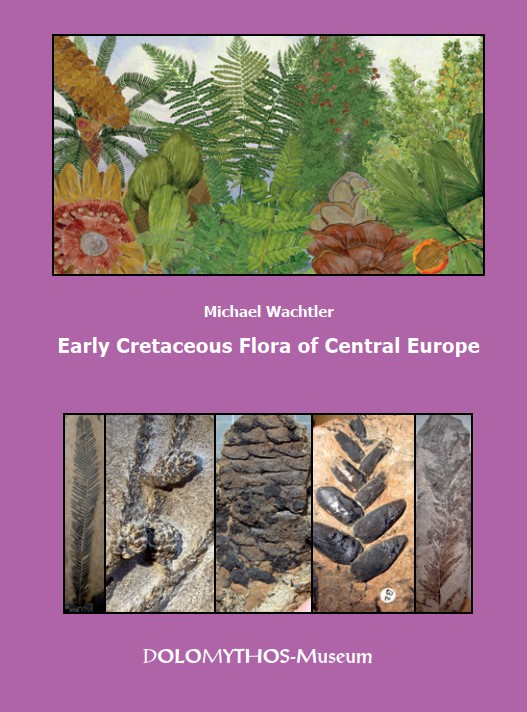
Michael Wachtler
Dolomythos-Museum, ISSN 2974-7376, Year 4/3, p. 80, year 2025
Euro 49,00

Auch interessant:
Michael Wachtler
Verlag DoloMythos - Innichen
www.dolomythos.com
Euro 34,90

Michael Wachtler
Verlag DoloMythos - Innichen
www.dolomythos.com
Euro 19,90
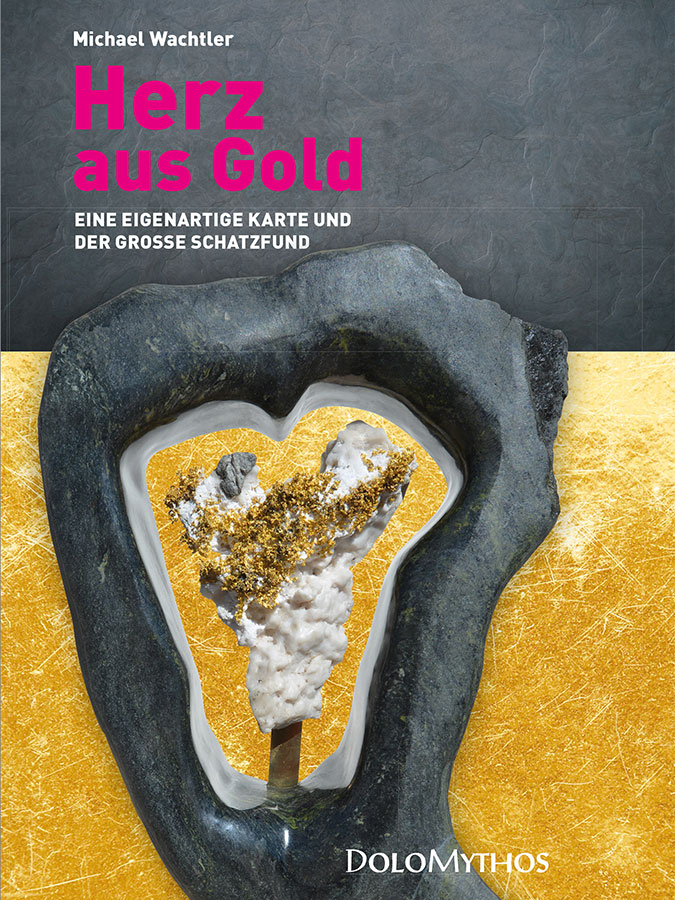
Michael Wachtler
Eine eigenartige Karte und der große Schatzfund
Euro 19,90
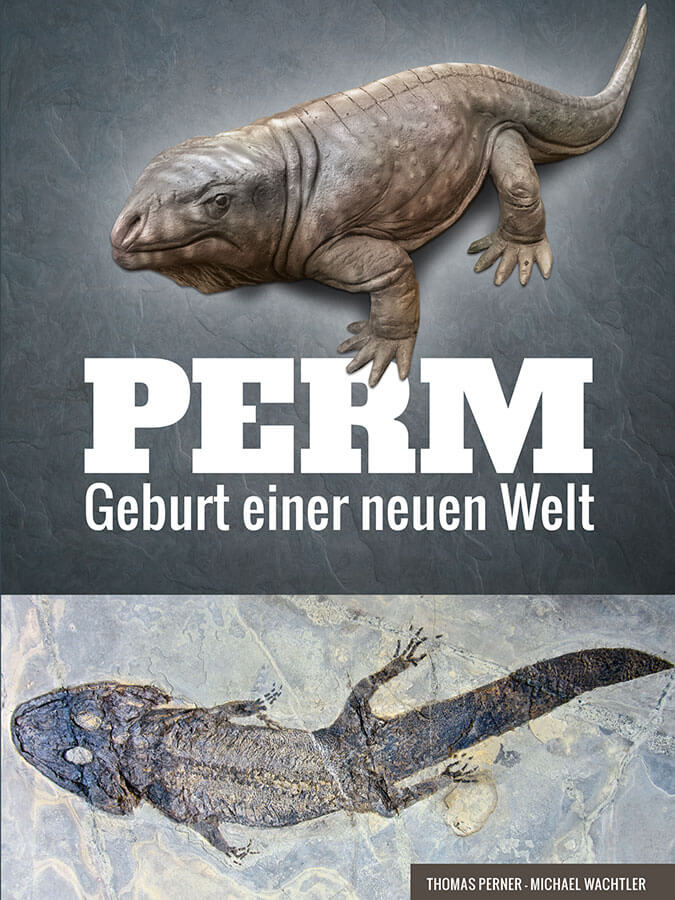
Thomas Perner – Michael Wachtler
Das allgemein verständliche und doch profunde Buch über eine der wichtigsten Zeitepochen der Erdgeschichte
Euro 98,00

Michael Wachtler
Historia eines mysteriösen Volkes von Wilden. Von Raufbold Ötzis bitterem Ende bis zu den Helden der Schmerzen.
288 Seiten, 20 Illustrationen, Verlag ATHESIA Spectrum.
Euro 19,90

Michael Wachtler
Ein Mann der Berge kämpft für die Natur. Fèro (Ferruccio Valentini) wuchs mitten in den Dolomiten auf...
Euro 19,99
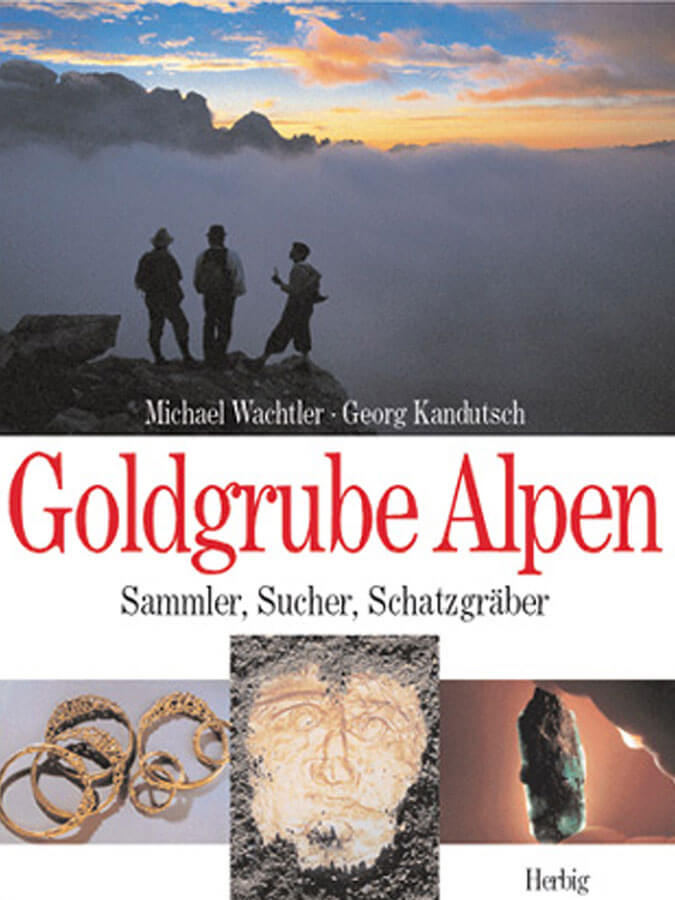
Michael Wachtler - Georg Kandutsch
Sammler, Sucher, Schatzgräber. Michael Wachtler und Georg Kandutsch beweisen, dass es heute noch möglich ist große Entdeckungen und Funde zu machen.
Euro 19,90

Michael Wachtler
Sprache: Englisch
With the moving diary “We are making peace”
Pages 192, Over 300 photos, Publisher: Athesia Spectrum.
Euro 19,90
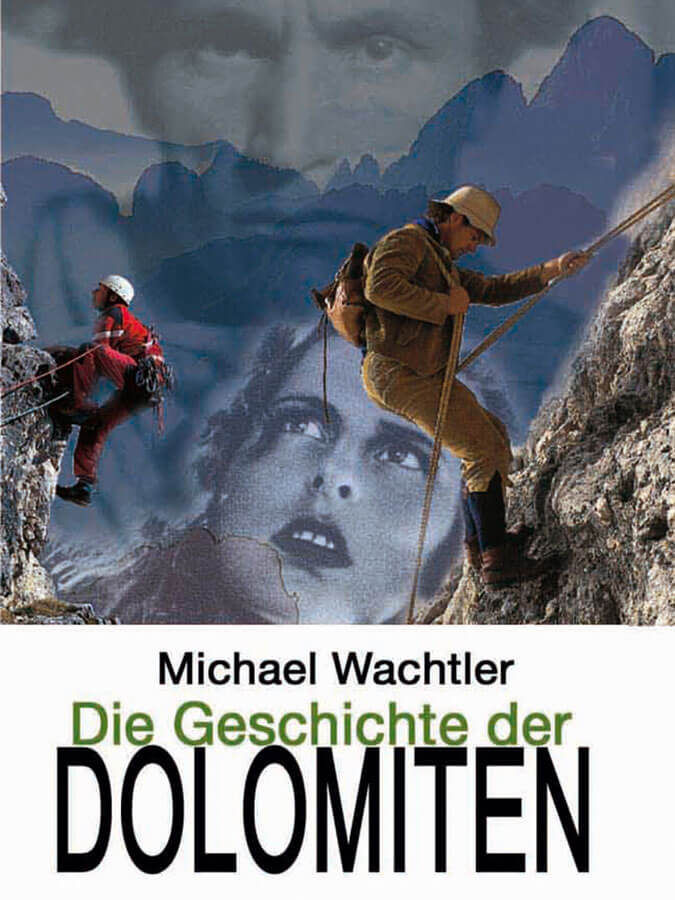
Michael Wachtler
Die Dolomiten: Gelobt wegen ihrer magischen Schönheit, umkämpfte Felsen über die Jahrtausende, Geschichte und Geschichten die hier entstanden.
Seiten: 208, Preis, 350 Fotos, Hardcover, Athesia Spectrum.
Euro 19,90
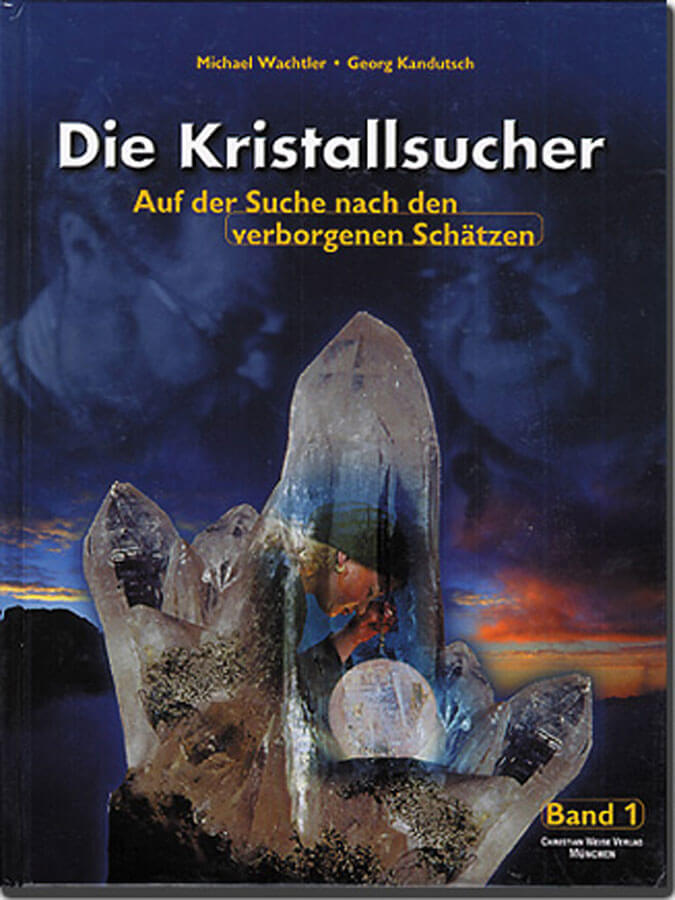
Michael Wachtler – Georg Kandutsch
Auf der Suche nach den verborgenen Schätzen (Band 1)
160 Seiten, 310 Farbabbildungen
21,5 x 29 cm, Laminierter Pappband, Weise-München.
Euro 19,90
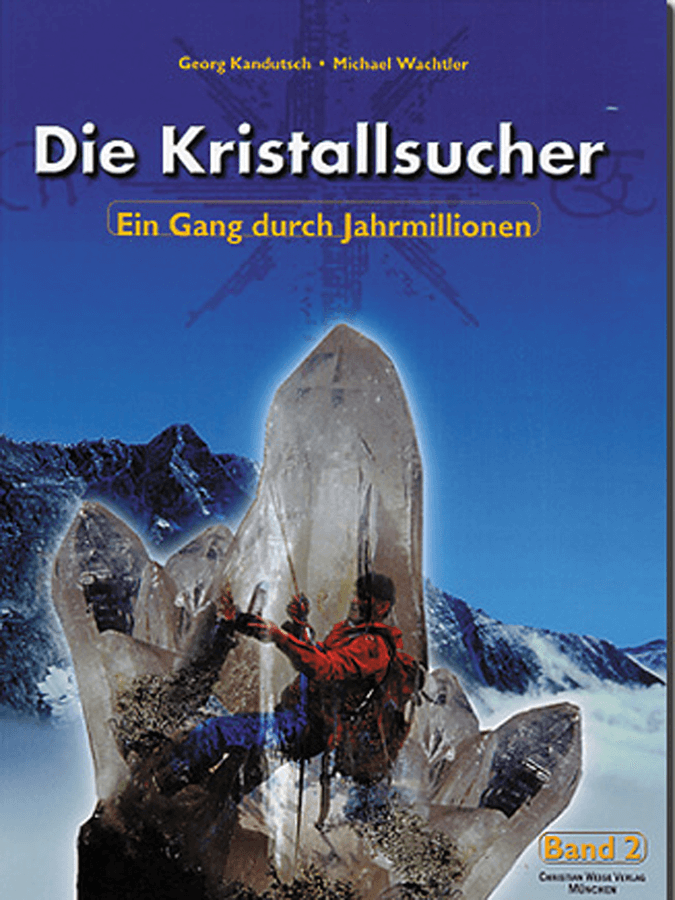
Michael Wachtler – Georg Kandutsch
Ein Gang durch Jahrmillionen (Band 2)
Über die Funde und ihre Entstehung - Am pochenden Puls der Erde - Das Wachsen der Kristalle - Von Granaten und Smaragden - Die ewige Verlockung des Goldes -Wenige Klüfte schreiben Geschichte
160 Seiten, 310 Farbabbildungen, 21,5 x 29 cm, Laminierter Pappband, Weise-München.
Euro 19,90

Michael Wachtler
Wie die Menschen lernten, die Steine zu verstehen. Die schönste Kristallgeschichte der Welt »Pader« Flurin Maissen, Gion Antoni Hitz, Ambrosi Cavegn und die Schweizer Surselva
192 Seiten, 200 ausgesuchte Fotos, 16,5 x 23,5, Hardcover, Weise-München
Euro 19,90
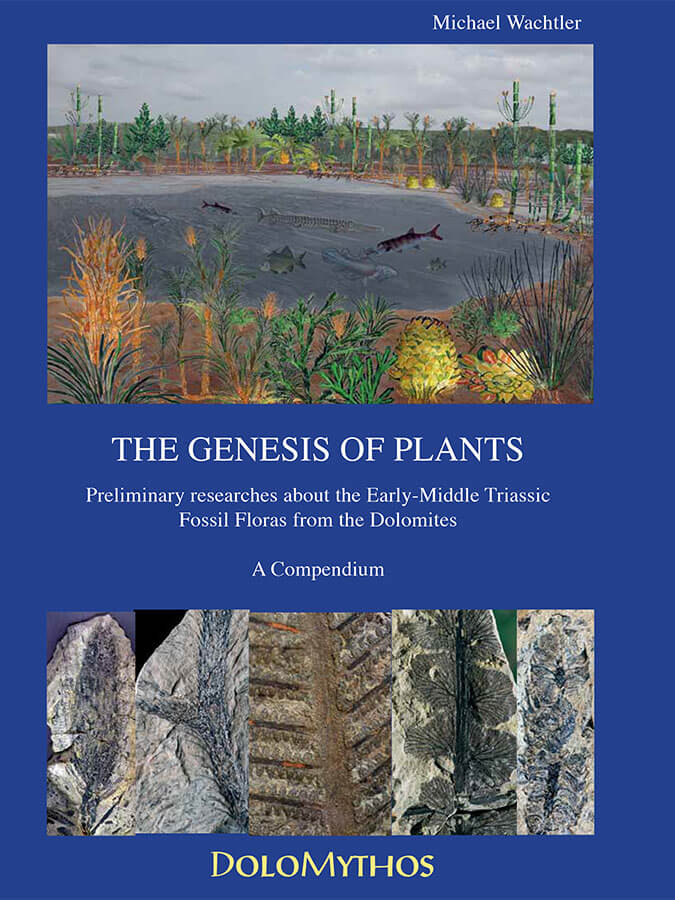
Michael Wachtler
Sprache: Englisch
Preliminary researches about the Early-Middle Triassic Fossil Floras from the Dolomites.
A Compendium 224 Pages, 200 Illustrations, Editor DoloMythos
Euro 49,90
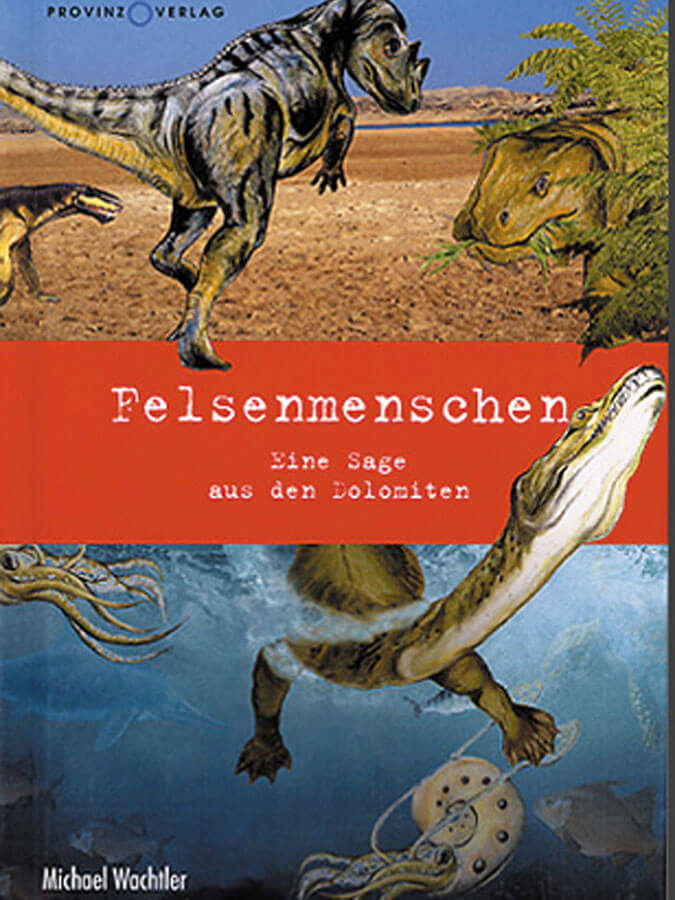
Michael Wachtler
Eine Liebeserklärung an diese Landschaft. Die Dolomitensage, die Felsen, Menschen und Jahrmillionen vereint. Informativ.
208 Seiten, Mit 26 Illustrationen und 30 Abbildungen, Provinz-Verlag.
Euro 9,90

Stefan König - Hans Jürgen Panitz - Michael Wachtler
Dramen-Trick-Abenteuer. Das Buch bewegt sich auf den Spuren der großen Bergfilmer. Von Arnold Fanck über Leni Riefenstahl und Luis Trenker bis in die heutige Zeit.
176 Seiten, 200 Abbildungen, 21,5 x 29 cm, Schutzumschlag Leinen, Herbig-München.
Euro 19,90
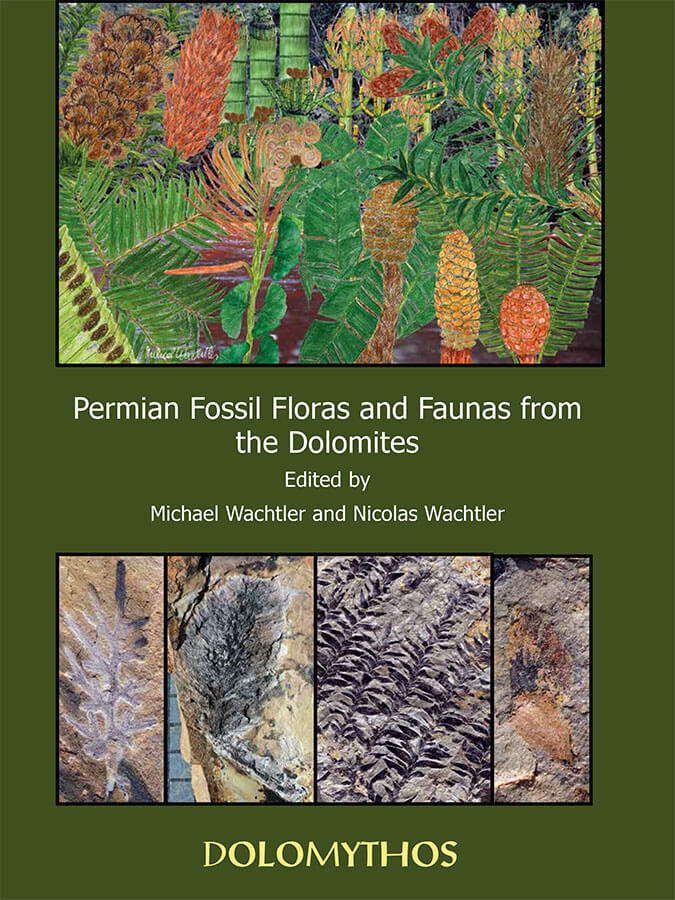
Michael Wachtler, Nicolas Wachtler
Sprache: Englisch
Permo-Triassic climate catastrophes as basis for the birth of new life forms
With over 800 photos and drawings, 240 pages, Hardcover 29,7x21 cm
Euro 98,00
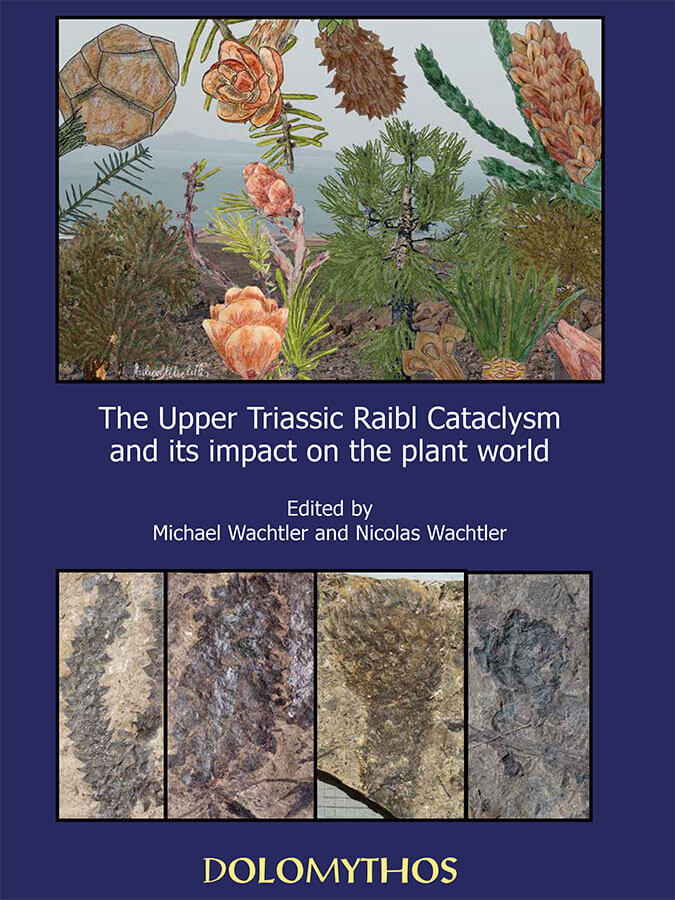
Thomas Perner – Michael Wachtler
Sprache: Englisch
With over 300 photos and drawings
86 pages, Softcover 29,7x21 cm
Euro 49,00
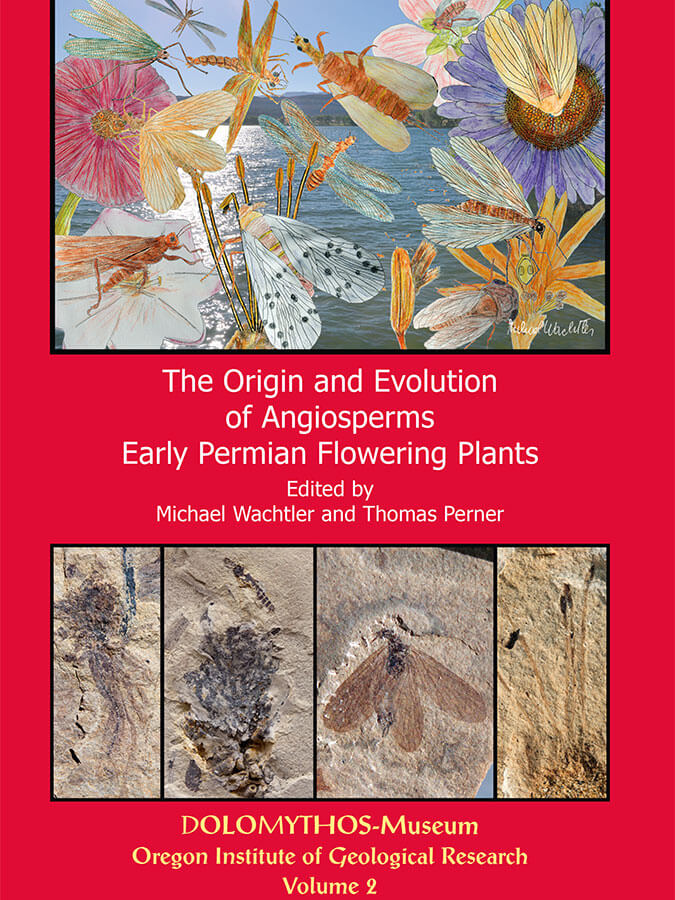
Michael Wachtler, Thomas Perner
Sprache: Englisch
Early Permian Flowering Plants. Based on new sensational discoveries.
With over 800 photos and drawings, 240 pages, Hardcover 29,7x21 cm
Euro 98,00
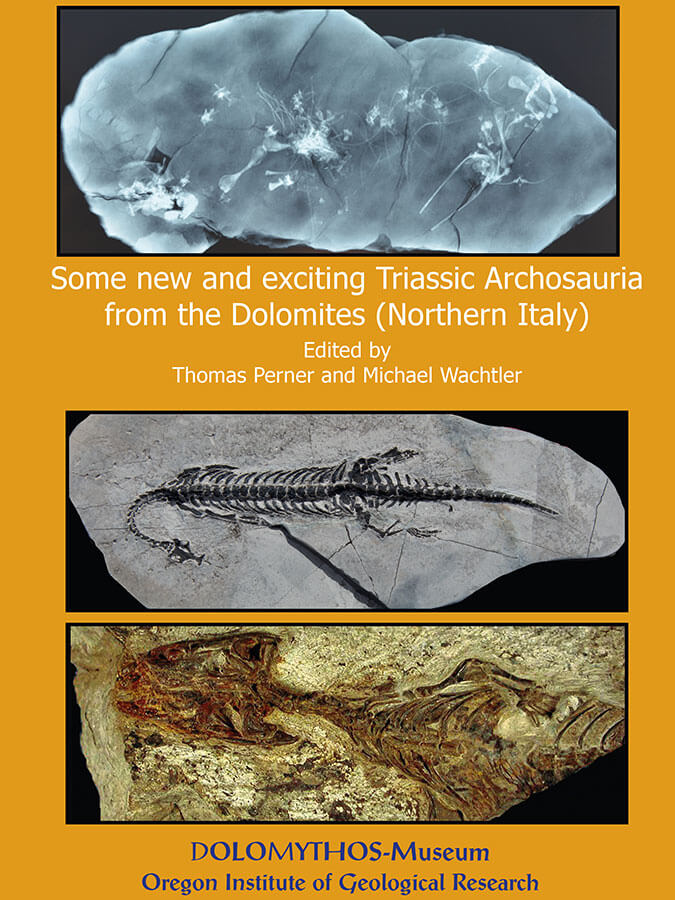
Michael Wachtler and Thomas Perner
Published by Dolomythos Museum, Innichen, South Tyrol, Italy Oregon Institute of Geological Research, Portland, OR, (USA), 2018
Euro 29,90
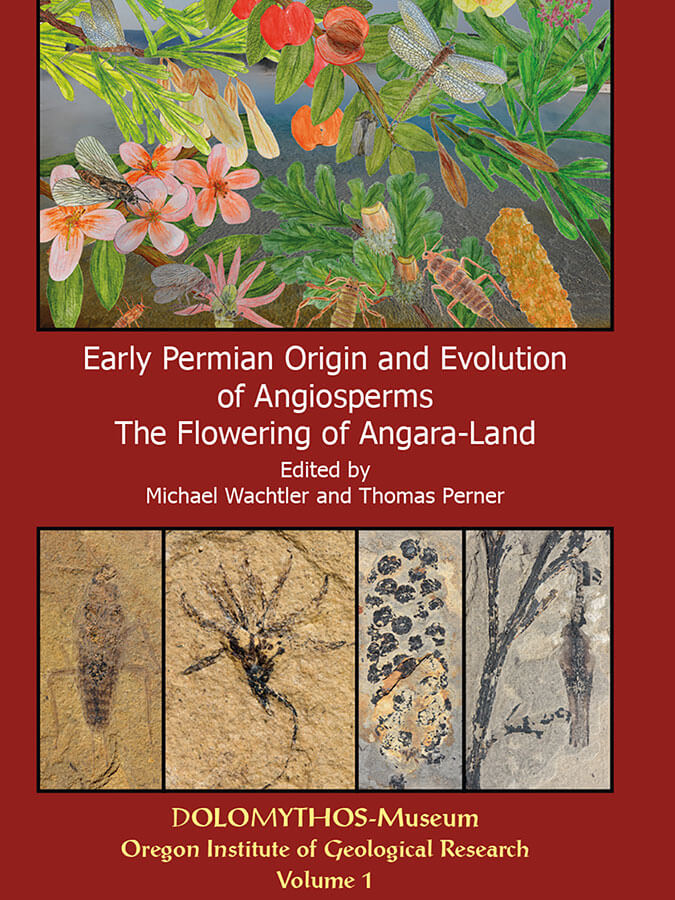
Michael Wachtler, Thomas Perner
Based on new sensational discoveries
Published by Dolomythos Museum, Innichen, South Tyrol, Italy Oregon Institute of Geological Research, Portland, OR, (USA), 2016
Euro 49,00
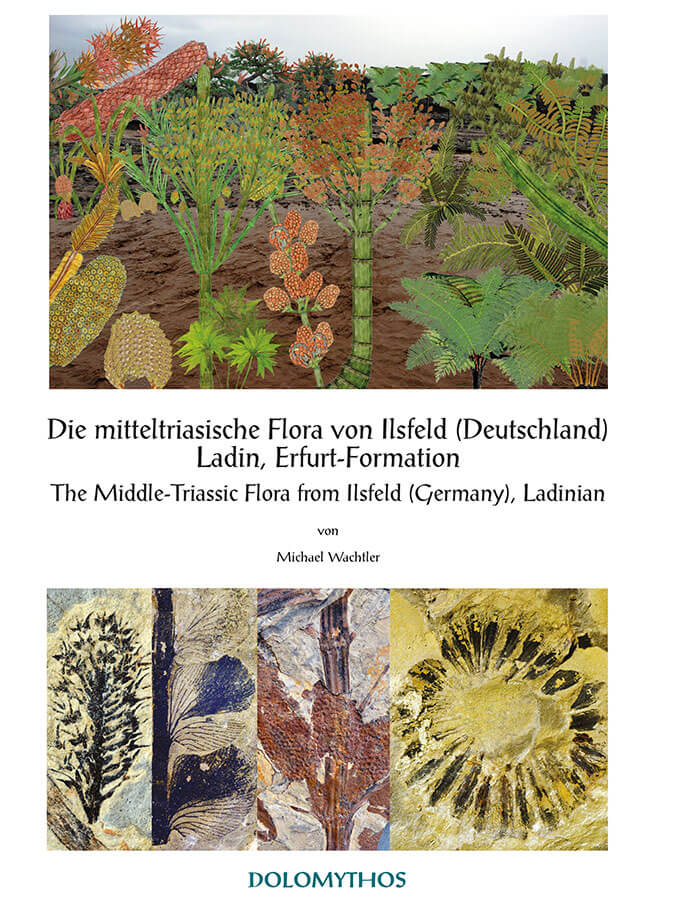
Michael Wachtler
Ladin, Erfurt-Formation
Sprache: Englisch / Deutsch
Published by Dolomythos Museum, Innichen, South Tyrol, Italy, 2016,
Euro 39,00
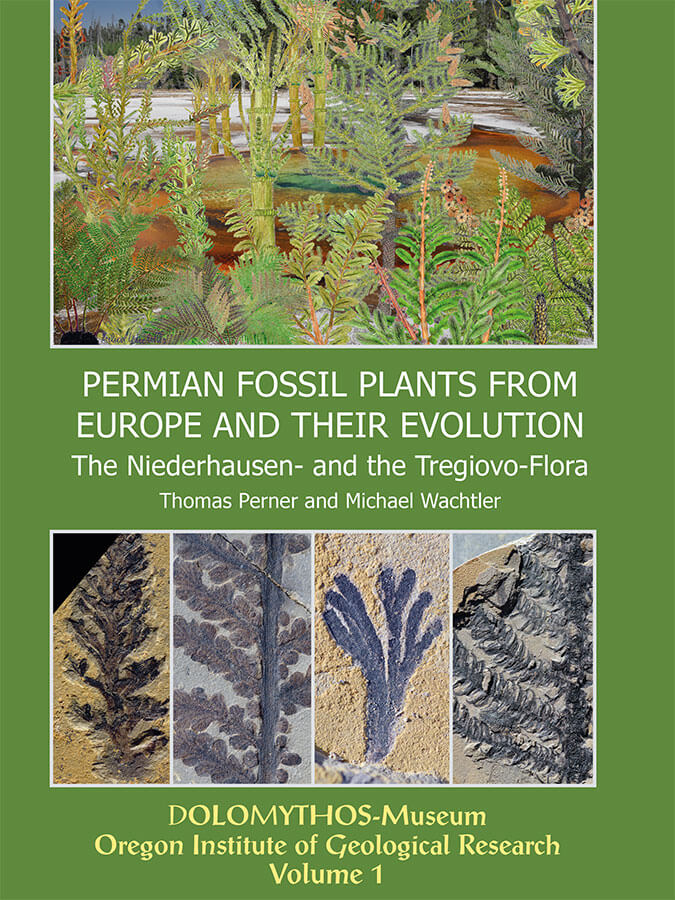
Thomas Perner – Michael Wachtler
Published by Dolomythos Museum, Innichen, South Tyrol, Italy Oregon Institute of Geological Research, Portland, OR, (USA) January 2013
First Edition 2015
Euro 49,00
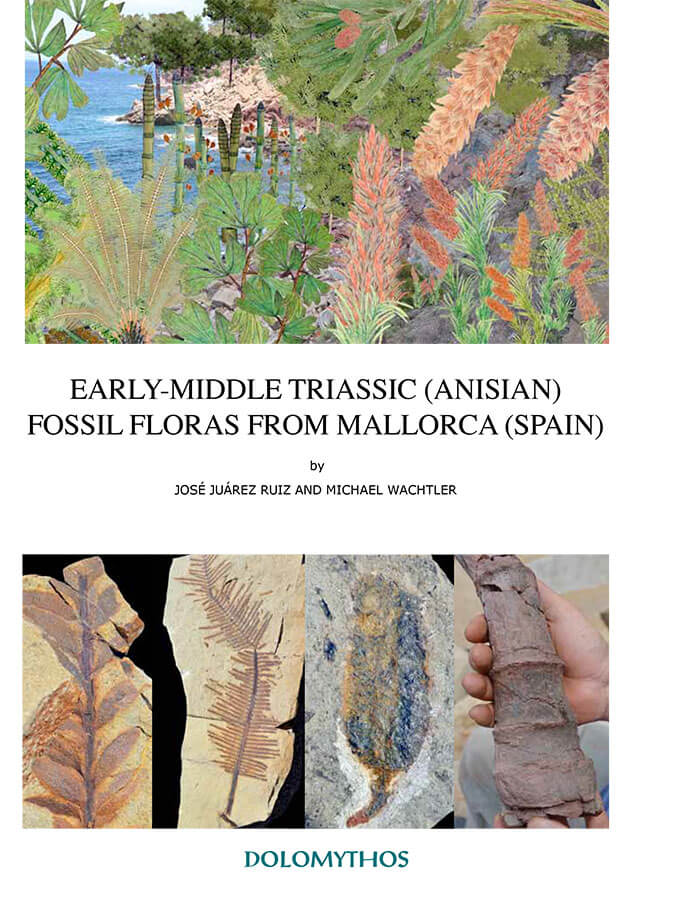
Thomas Perner – Michael Wachtler
Published by Dolomythos Museum, Innichen, South Tyrol, Italy, 2015
Euro 29,00
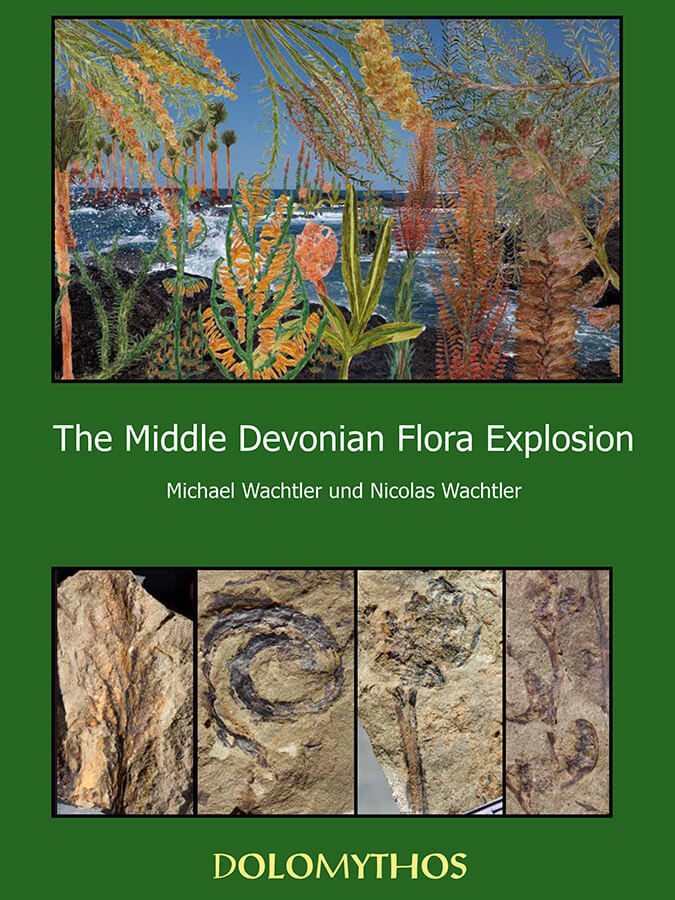
Michael Wachtler - Nicolas Wachtler
Herausgeber: Dolomythos-Museum. 72 Seiten mit 300 Fotos und Zeichnungen
Euro 49,00
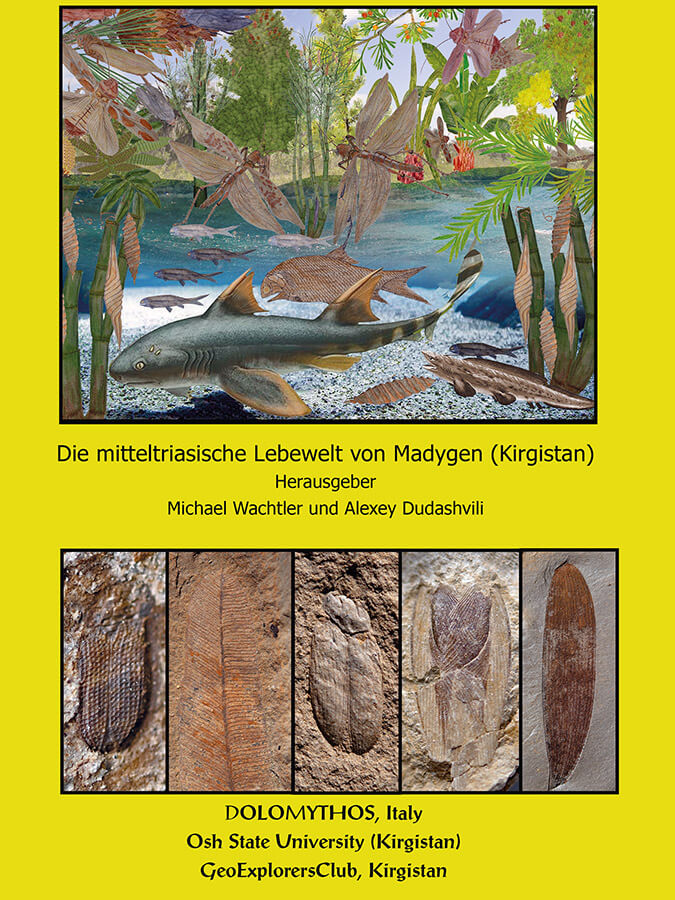
Michael Wachtler - Alexey Dudashvili
Herausgeber: Editors: Dolomythos-Museum, (Italy), Osh State University (Kyrgyzstan), GeoExplorersClub, 36 Seiten
Euro 39,00
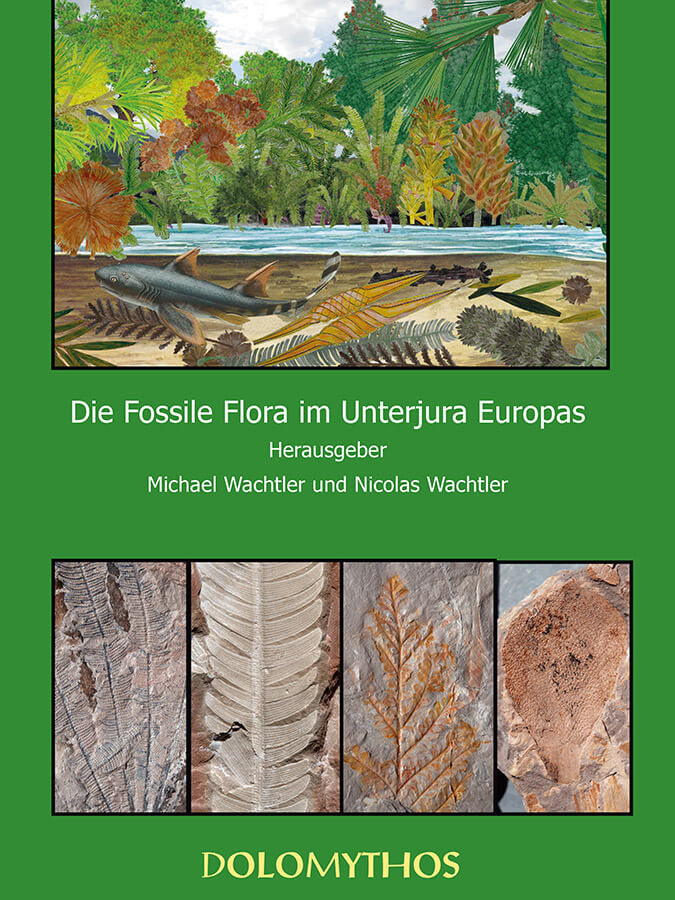
Michael Wachtler - Nicolas Wachtler
Ein Aufblühen einer neuen Pflanzenwelt vor 200 Millionen Jahren.
Euro 69,00
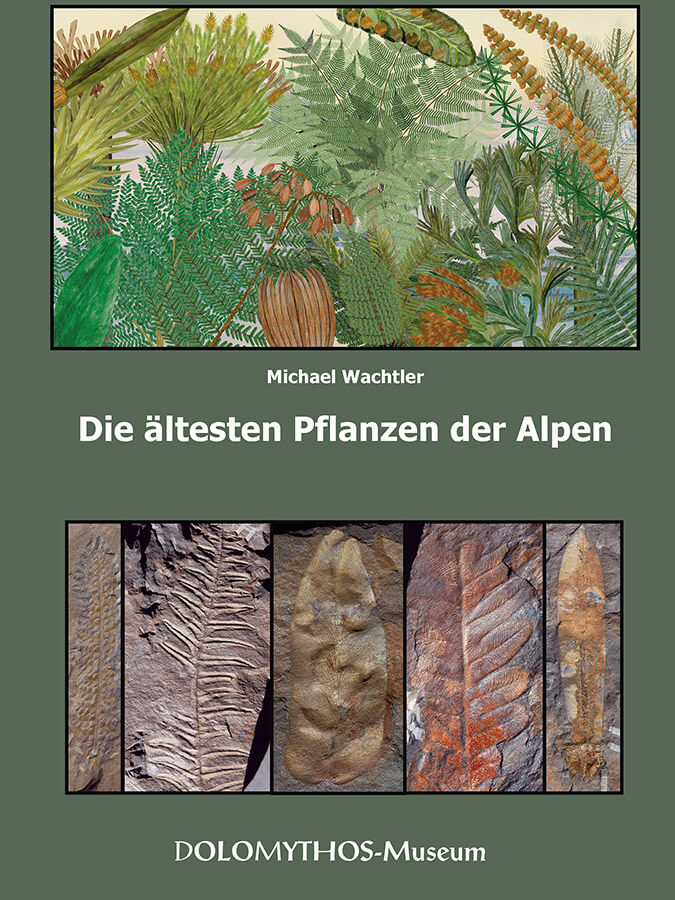
Michael Wachtler
Über 315 Millionen Jahre alte Lebewelten in den Alpen.
Euro 49,00
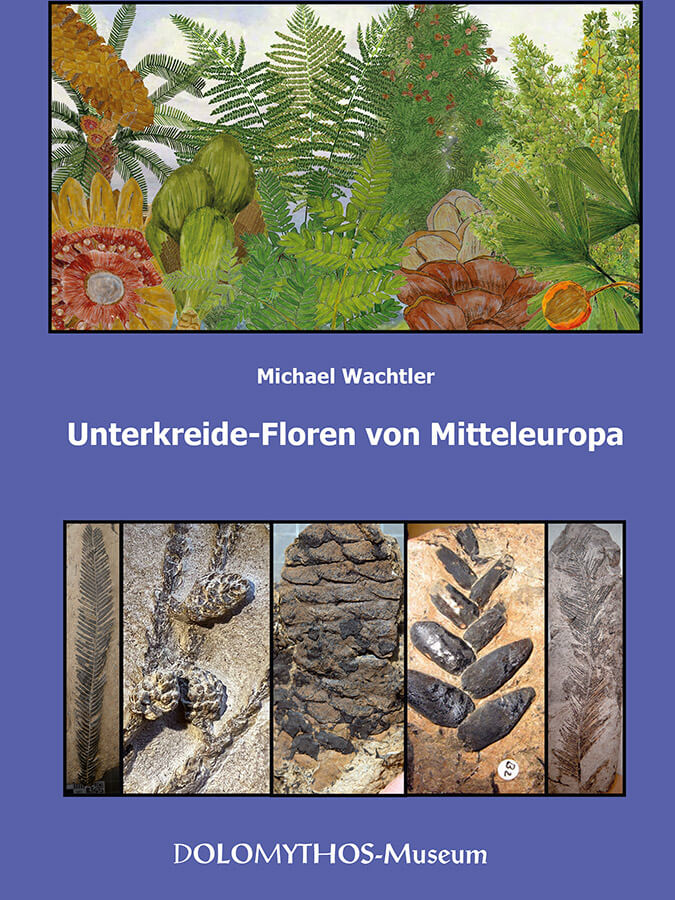
Michael Wachtler
Eine 140 Millionen Jahre alte Lebewelt.
Euro 39,90
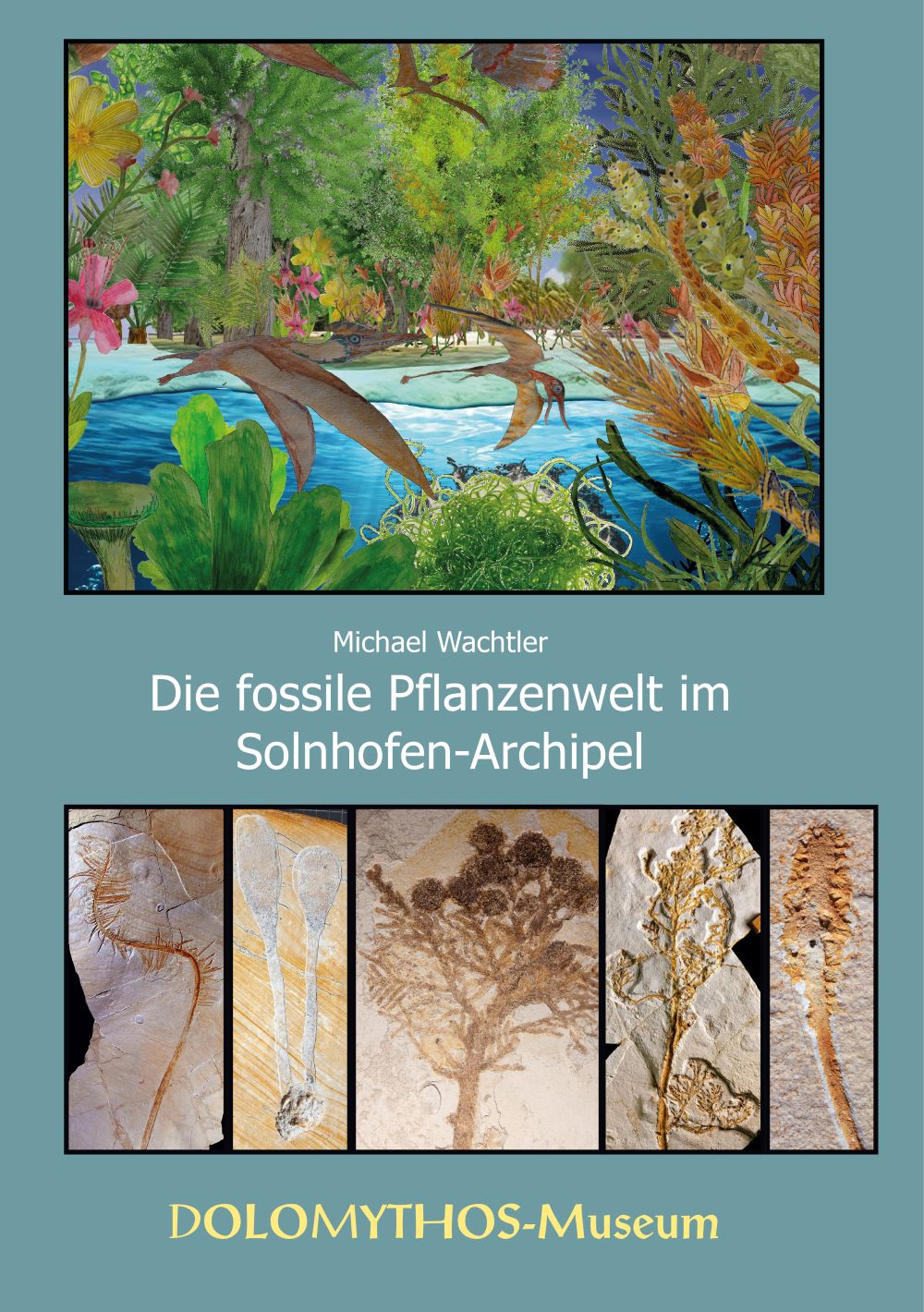
Michael Wachtler
Die eigenartige Veränderung der Flora vor 150 Millionen Jahren
Euro 39,90
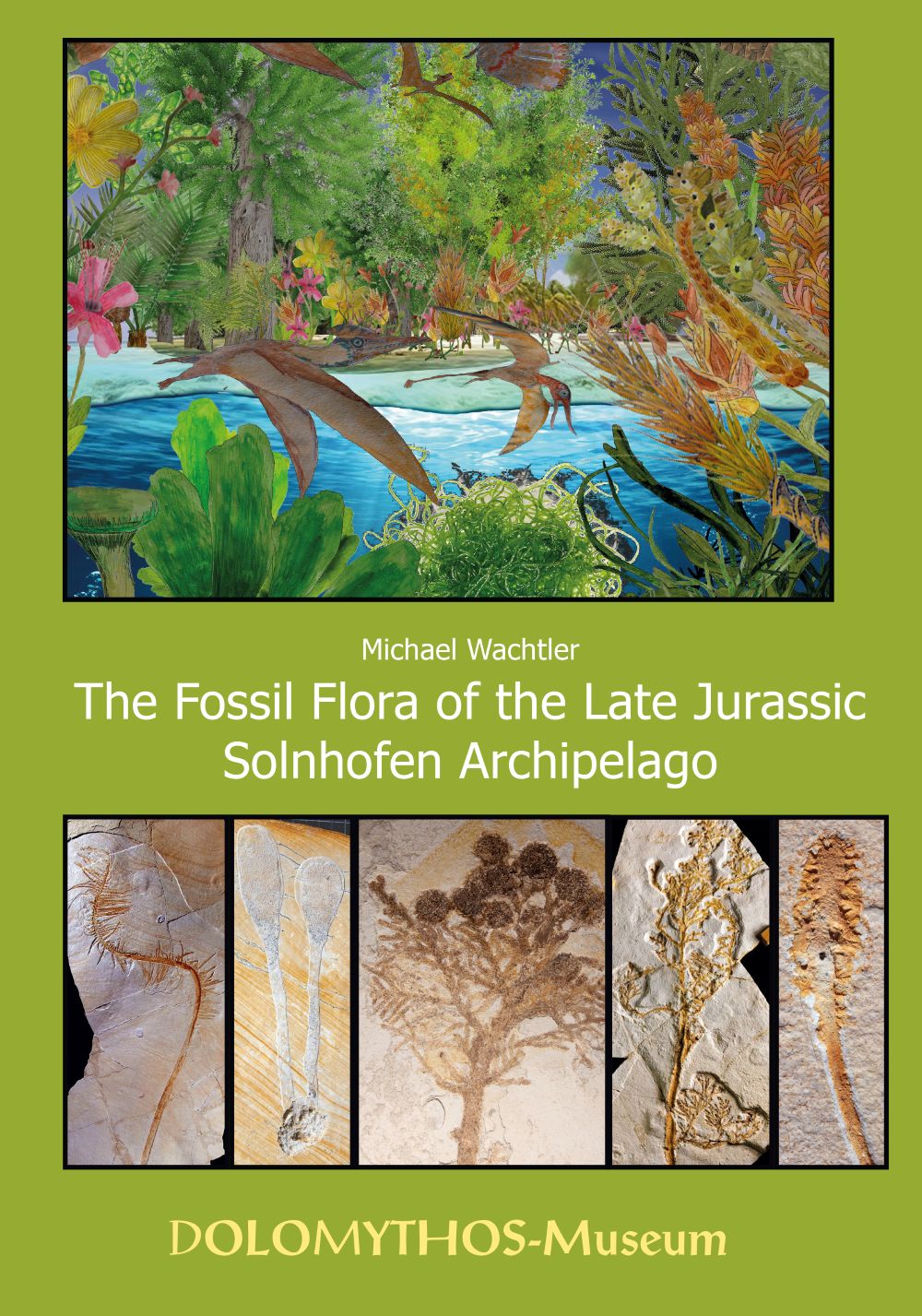
Michael Wachtler
A Peculiar Floral Transformation 150 million years ago
Euro 39,90
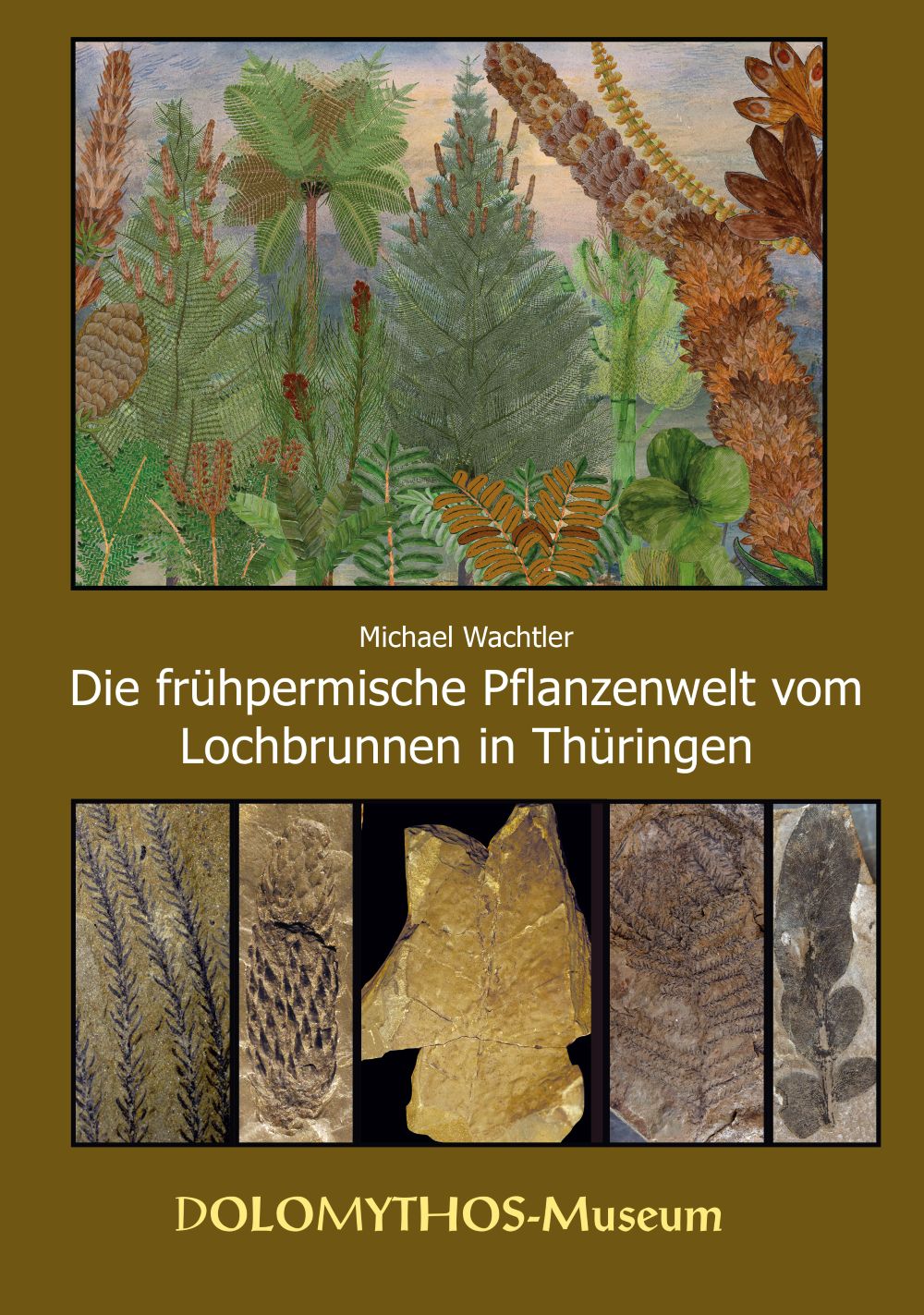
Michael Wachtler
Eine Lebensexplosion vor 290 Millionen Jahren
Euro 39,90
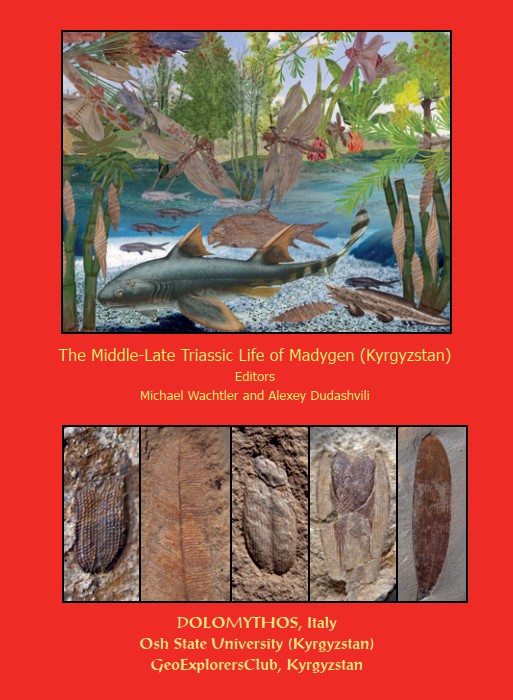
Michael Wachtler - Alexey Dudashvili
Dolomythos-Museum, ISSN 2974-7376, Year 3/2, p. 34, year 2024
Euro 39,00
Michael Wachtler
Dolomythos-Museum, ISSN 2974-7376, Year 4/3, p. 80, year 2025
Euro 49,00
Michael Wachtler
Dolomythos-Museum, ISSN 2974-7376, 4/4, p. 80, year 2025
Euro 49,00
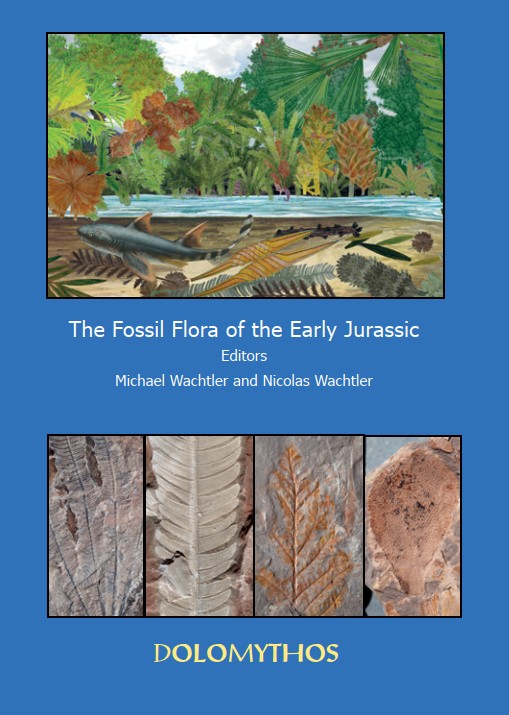
Michael Wachtler
Dolomythos-Museum, ISSN 2974-7376, 2/2, p. 192, year 2024
Euro 69,00
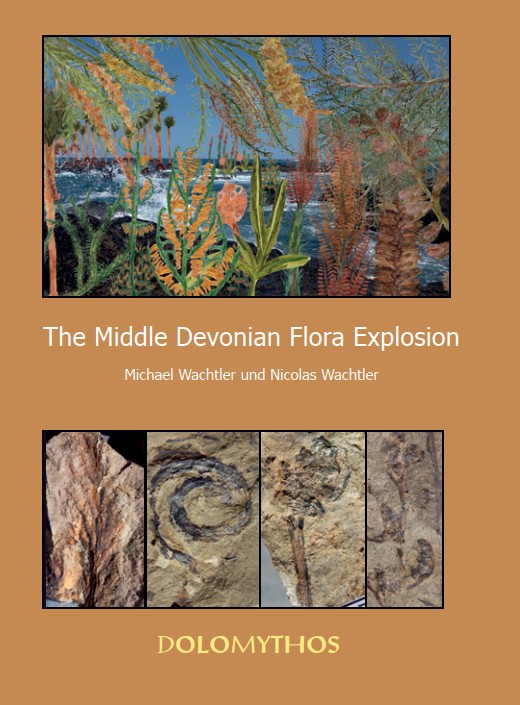
Michael Wachtler and Nicolas Wachtler
Dolomythos-Museum, ISSN 2974-7376, 1/1, p. 72, year 2023
Euro 49,00
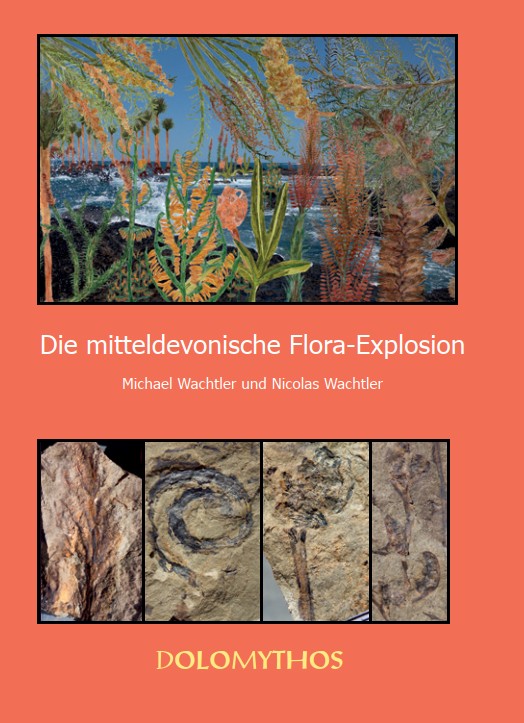
Michael Wachtler und Nicolas Wachtler
Dolomythos-Museum, ISSN 2974-7376, 2/1, Seiten 72, Jahr 2023
Euro 49,00
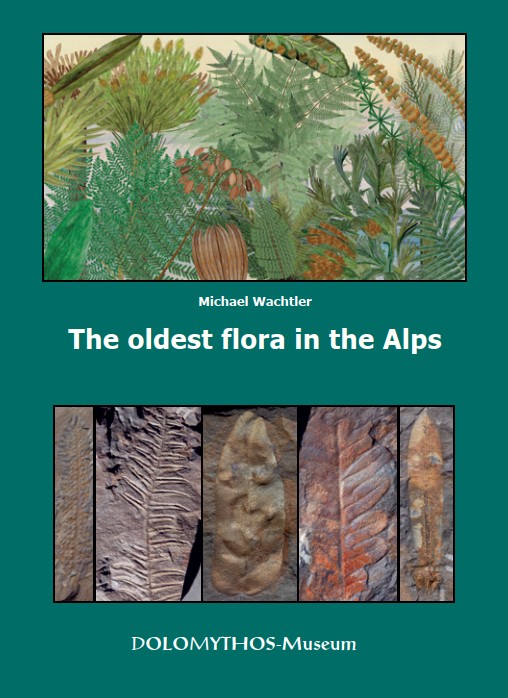
Michael Wachtler
Dolomythos-Museum, ISSN 2974-7376, 4/3, p. 96, year 2025
Euro 49,00
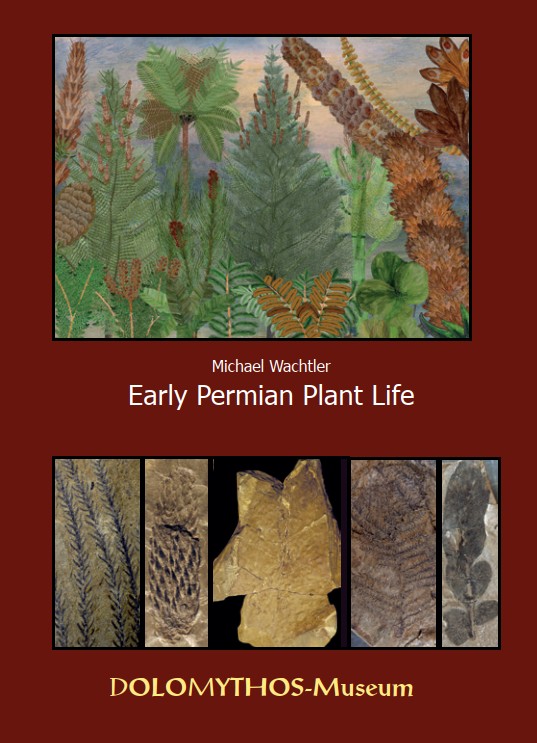
Michael Wachtler
Dolomythos-Museum, ISSN 2974-7376, 3/4, p. 108, year 2026
Euro 39,90
Peter Paul Rainer Str. 11,
I-39038 Innichen (BZ)
michael@wachtler.com
www.michaelwachtler.com